
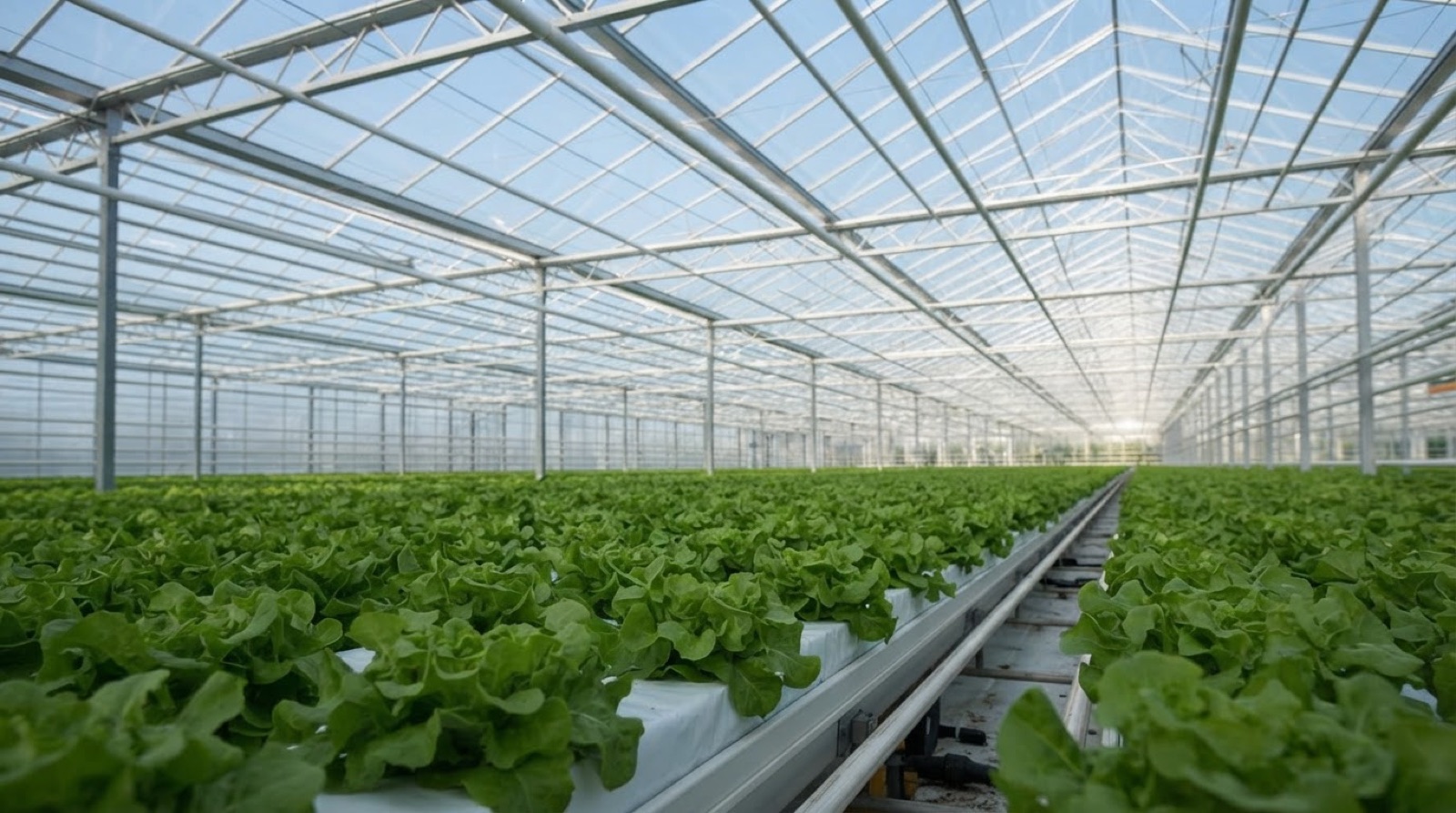
Lettuce
Green Oakleaf Lettuce.
Ein gebuchtetes, weiches Blatt, das für die Form angebaut wird und nicht für das Gewicht.
Die Form ist das Produkt
Grüner Eichblattsalat ist ein weiches grünes Blatt mit den Rohwerten der Familie, angebaut für seinen gebuchteten Umriss und nicht für seine Masse. Die Form ist sein Beitrag zum Mischpack; das Essen hat er mit jedem anderen Salatblatt gemeinsam.
Ein weiches Blatt, das für seinen Umriss angebaut wird, hat kaum Spielraum. Die Buchten bleiben hängen und reißen dort, wo sie angefasst werden, und die Ränder erschlaffen früher als der Kopf. Damit geht das Merkmal, für das die Kultur da ist, als Erstes verloren. Jede Umsetzung zwischen Schnitt und Pack nimmt einen Teil davon.
Entfernung ist die Summe dieser Umsetzungen. Ein Gewächshaus nahe an Packstation und Markt nimmt sie aus der Kette und lässt das Blatt dort heil, wo es angesehen wird, und das ist der einzige Punkt, der bei einem Typ zählt, der über die Form verkauft wird.
Nährwerte
Salat, grünes Blatt, roh
Pro 100 g
- Energie
- 15 kcal
- Fett
- 0.15 g
- Kohlenhydrate
- 2.87 g
- davon Zucker
- 0.78 g
- Ballaststoffe
- 1.3 g
- Protein
- 1.36 g
- Natrium
- 28 mg
- Kalium
- 194 mg
- Vitamin C
- 9.2 mg
Grüner Eichblattsalat hat ein ausgeprägt gebuchtetes Blatt und einen offenen, weichen Kopf. Er wird für die Blattform angebaut, die er einem Mischpack oder einer Auslage ganzer Köpfe beisteuert, nicht für die Masse. Das weichere Blatt begrenzt, wie weit er sich gut transportieren lässt.
Was die Kultur braucht
Die Kultur ist kurzzyklisch und hydroponisch. Der offene Kopfaufbau macht sie weniger anfällig für die Innenblattprobleme dichter Typen, doch das weiche Blatt wird bei Ernte und Verpackung leicht beschädigt. Die Handhabung hat damit einen größeren Anteil am Sortierergebnis als bei einem knackigen Kopf.
Was das Gewächshaus leisten muss
Eichblattsalat wird für die Form angebaut, und Form lässt sich leichter beschädigen als Gewicht. Das gebuchtete Blatt bleibt bei der Handhabung hängen, und der Kopf schützt sich nicht selbst, wie ein dichter Typ es tut. Ernteweg, Innentransport und Packbereich werden deshalb so angelegt, dass die Kultur mit möglichst wenigen Umsetzungen bewegt wird.
Zyklus und Gleichmäßigkeit erledigen den Rest. Die Kultur durchläuft viele Zyklen im Jahr, deshalb entscheiden Dichte und das rezirkulierende Wassersystem über die Jahresleistung. Ein weiches, offenes Blatt transpiriert frei, was an den Rändern hilft, den Bestand aber empfindlich gegenüber stehender Luft lässt. Lüftung und Luftbewegung werden daher für die gesamte Fläche ausgelegt und nicht für den Durchschnitt.
DutchGreenhouses® plant Konstruktion, Klima, Schirmung und Bewässerung passend zum Salattyp, zu seinem System und zum lokalen Klima, damit die Zyklen mit der Kopfqualität abschließen, nach der der Markt sortiert. Nehmen Sie Kontakt auf, um ein Salat-Gewächshaus zu planen.
Grüner Eichblattsalat, gefragt und beantwortet
Ist das Kopfgewicht oder die Kopfzahl das richtige Ziel?
Salat wird nach Kopf verkauft, deshalb entscheidet die Zahl der Köpfe, die im Jahr Handelsqualität erreichen, über den Erlös. Ein schwererer Kopf, der langsamer wächst, kann weniger einbringen als ein leichterer Kopf in einem kürzeren Zyklus.
Zählt die Sorte mehr als der Typ?
Für Kopfmasse, Dichtetoleranz und das Risiko der Blattrandnekrose ja. Das sind Eigenschaften der Sorte, und deshalb wird ein Salatprojekt um eine benannte Sorte herum geplant und nicht allein um den Typ.
Wodurch entsteht Blattrandnekrose?
Calcium erreicht die am schnellsten wachsenden Blattränder nicht; getrieben wird das von Transpiration und Wurzeldruck, nicht von der Zufuhr. Die Klimaregelung setzt daran an; Calcium in der Nährlösung zu erhöhen in der Regel nicht.
Other lettuce
varieties.
Wiederholte Ernten. Gleichbleibende Kopfqualität und -größe. Der Handelstyp, den Sie verkaufen, bestimmt Pflanzenlast, Ernterhythmus und das Haus.
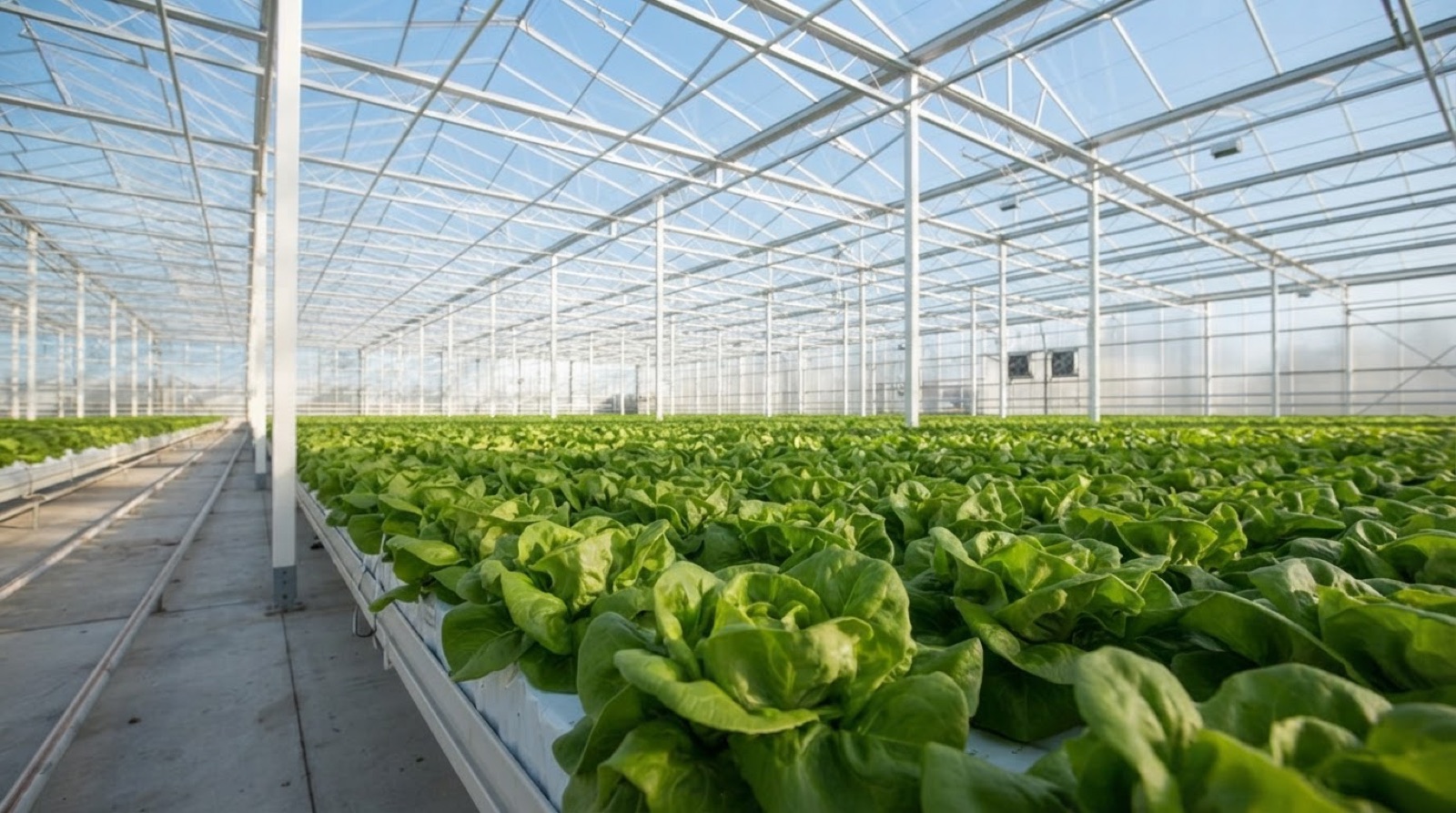
Butterhead Lettuce
Butterhead is the soft-leaved wholehead lettuce sold with its outer leaves intact, and the type most European buyers picture when they specify lettuce.
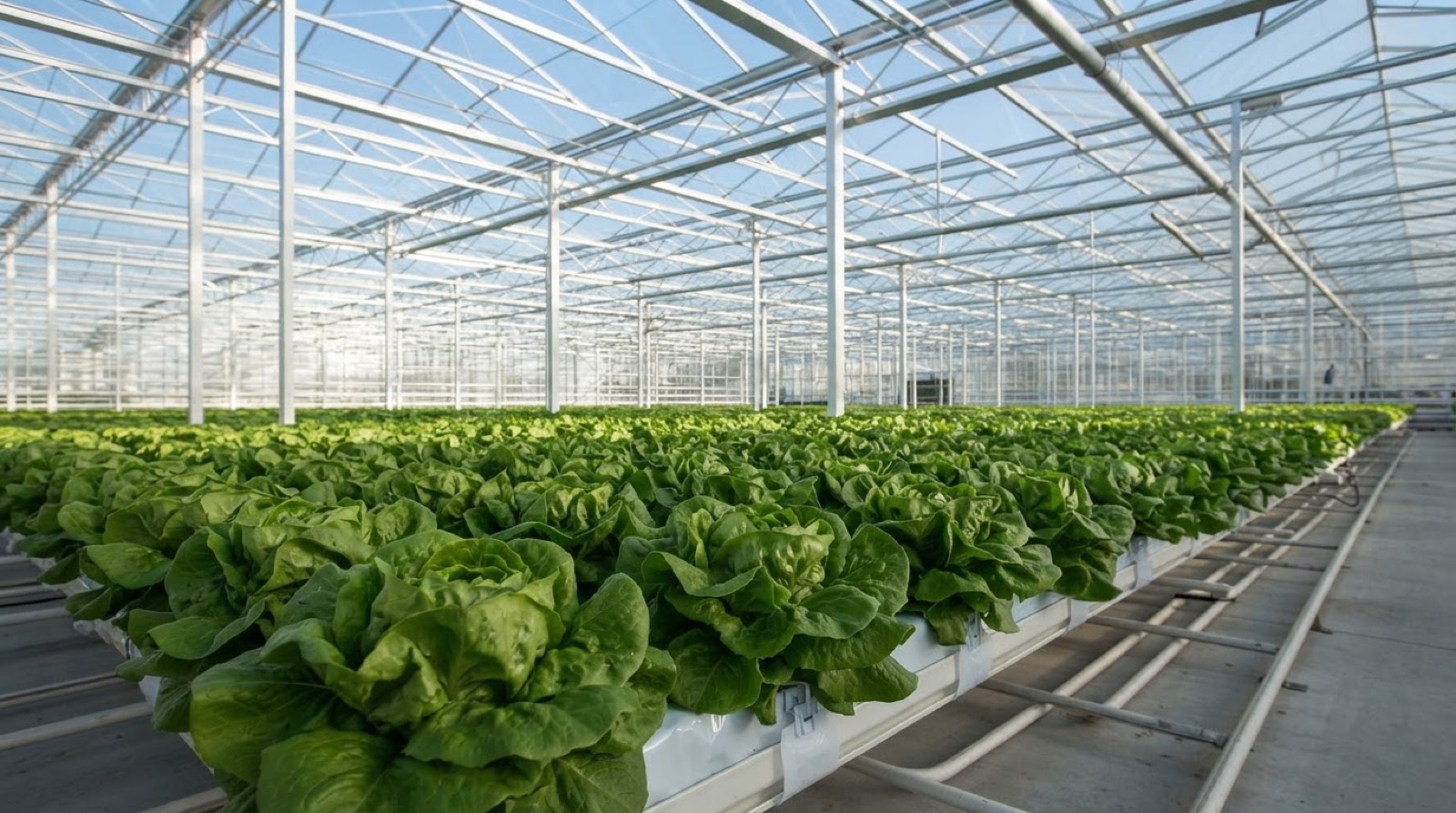
Green Crispy Lettuce
Green crispy is the dense, crunchy-leaved lettuce sold both as a wholehead and into processing, where the leaf holds its texture after cutting.
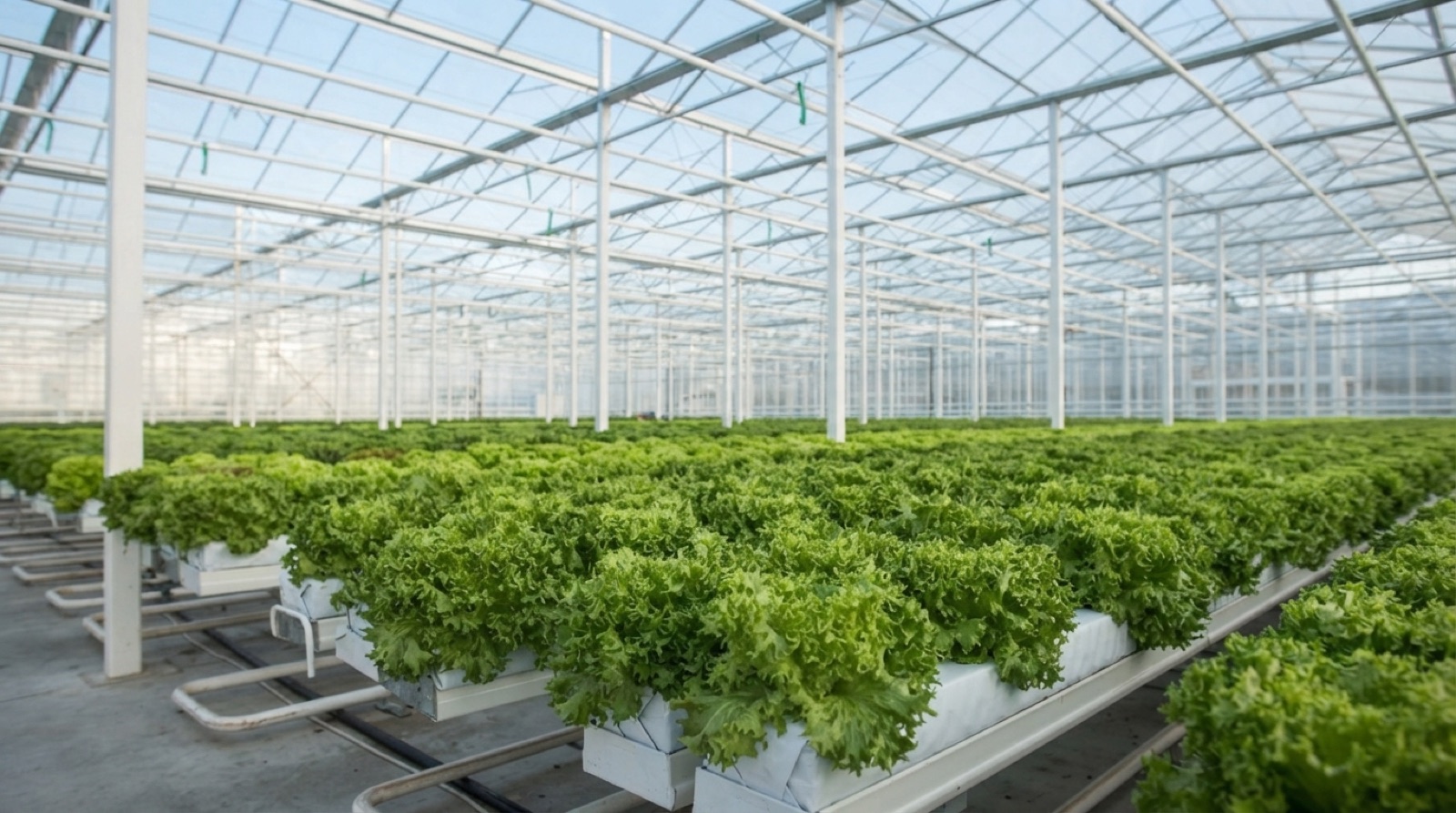
Lollo Bionda Lettuce
Lollo Bionda is the green Lolla lettuce, with a tightly curled leaf margin and bought for appearance rather than for weight.
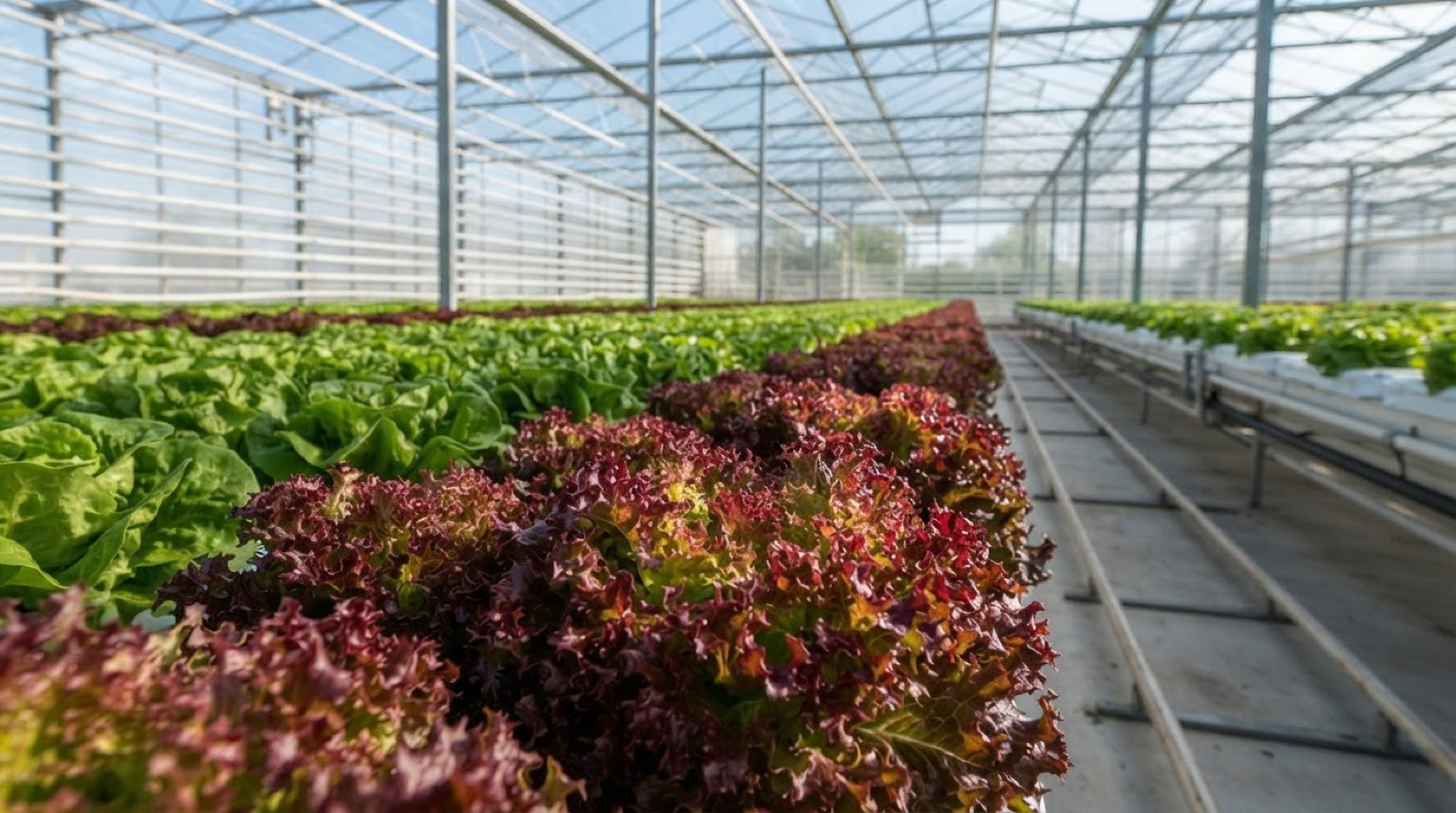
Lollo Rosso Lettuce
Lollo Rosso is the red Lolla lettuce, where the tightly curled leaf margin and the red pigmentation are both the product.
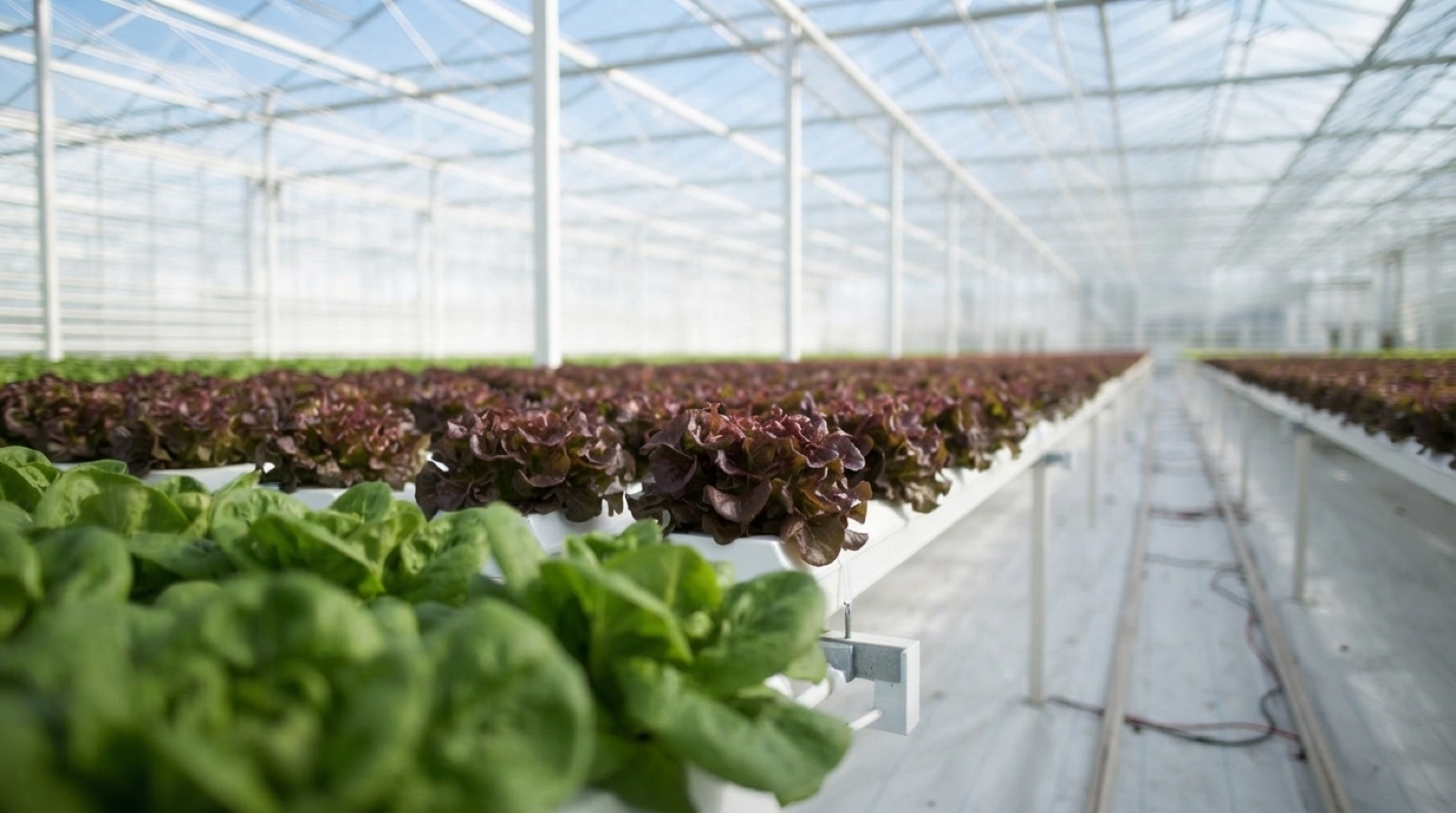
Red Crispy Lettuce
Red crispy is the red-pigmented counterpart of the green crispy head, sold wholehead and into mixed-leaf packs where colour intensity is part of the specification.
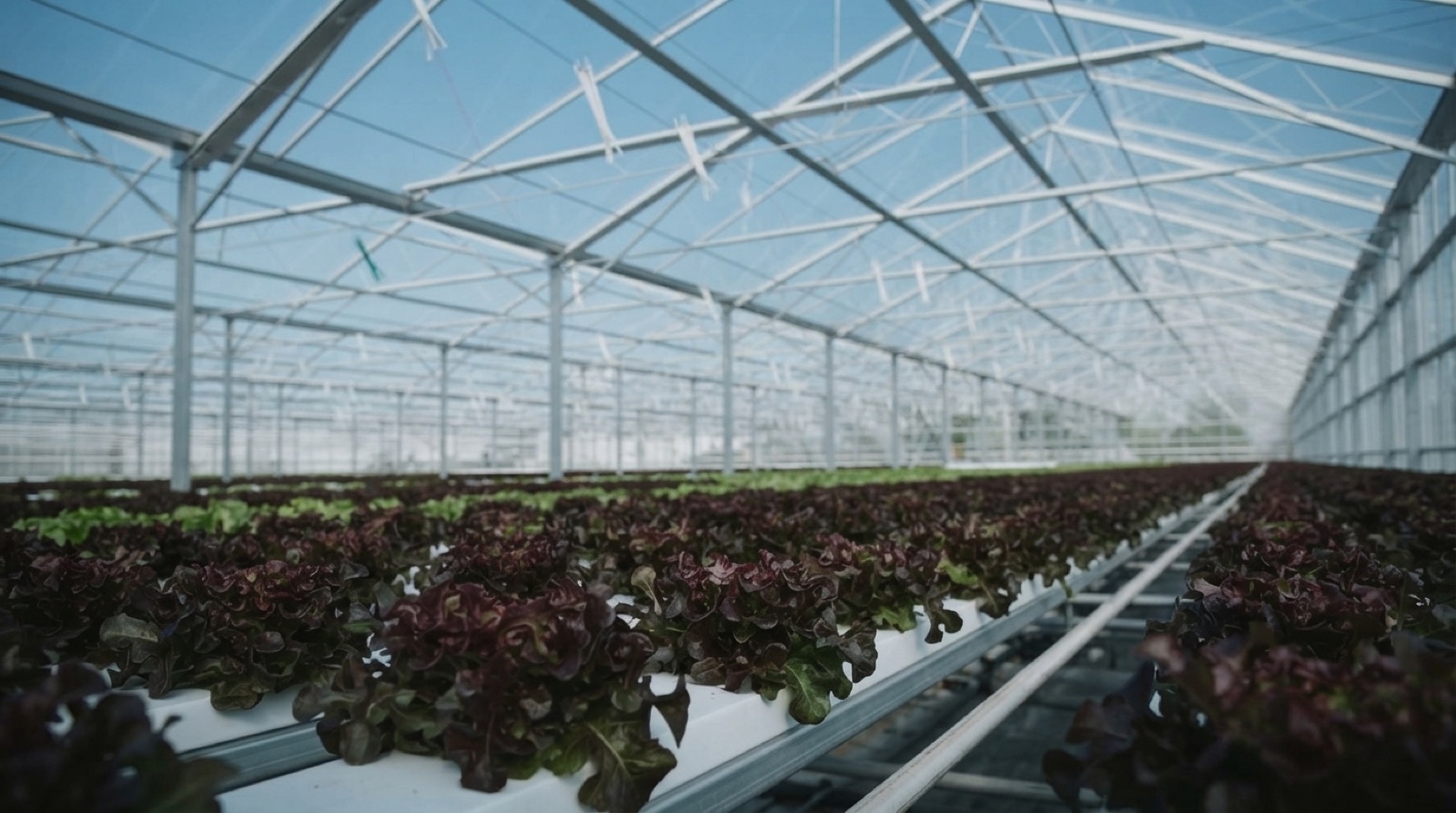
Red Oakleaf Lettuce
Red oakleaf lettuce carries the lobed leaf of the oakleaf types with red pigmentation, and most often reaches the consumer inside a multi-type pack.
Das Gewächshaus hinter salat
Salat, unter Glas.
Tischsysteme mit Floats, Moving Gutter Systems (MGS) oder Deep Water mit NFT oder Ebbe-Flut.
Von Kopfgröße, Kulturzyklus und Erntehandling zurück zu Kultursystem, Pflanzabstand und Klima arbeiten.
Wiederholte Ernten. Gleichbleibende Kopfqualität und -größe.
Tischsysteme mit Floats, Moving Gutter Systems (MGS) oder Deep Water mit NFT oder Ebbe-Flut.
Verkaufte Köpfe je Zyklus, Klassen, Verpackung und Folgeaufträge planen.
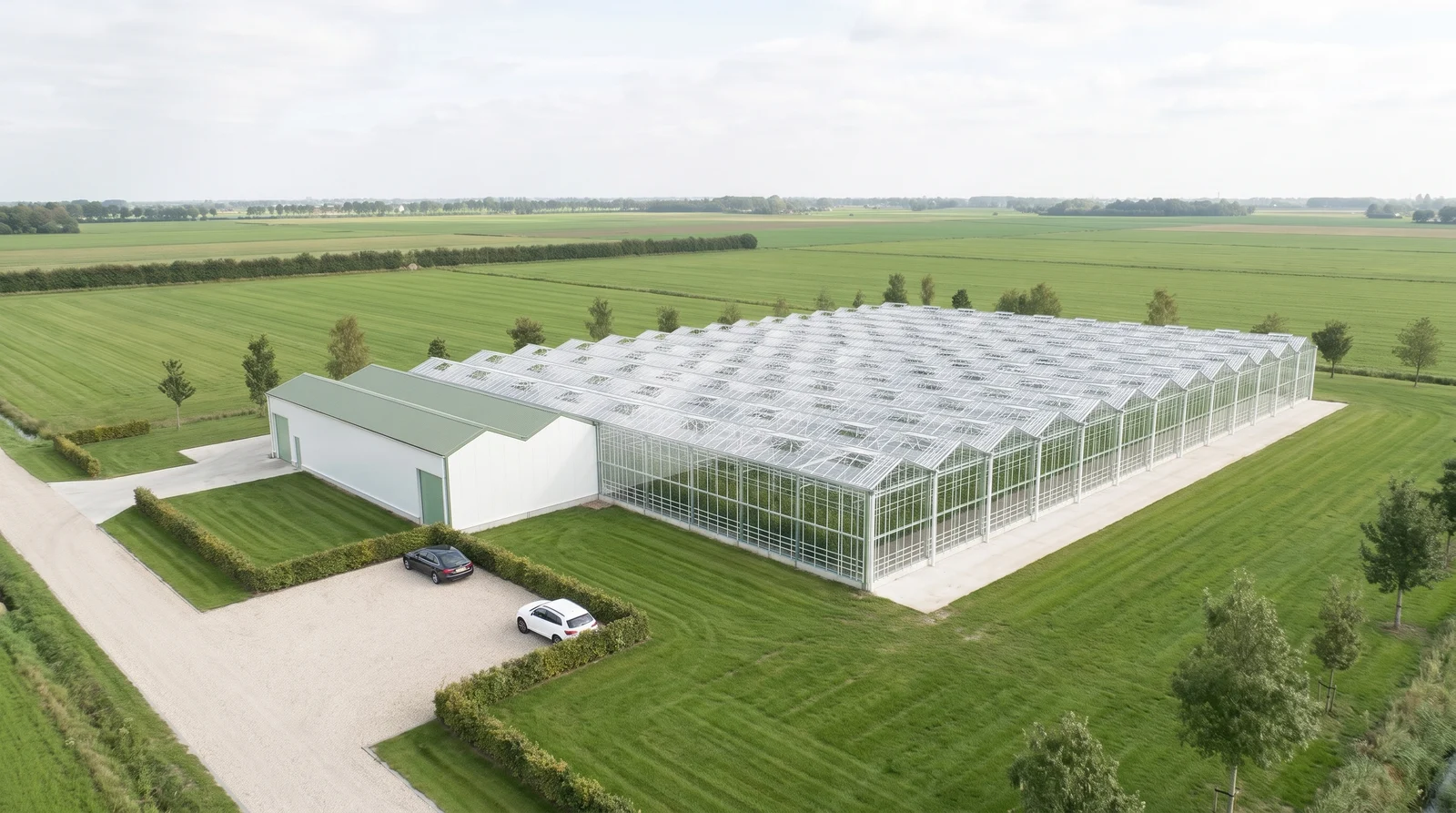
Basic Organic Greenhouse Series
Venlo-Glasgewächshäuser für Bodenkulturen. Legen Sie Kultur, Beete, Zugang und Produktionskalender fest, bevor die Systeme spezifiziert werden.
¼ acre½ acre1 acreEntdecken Basic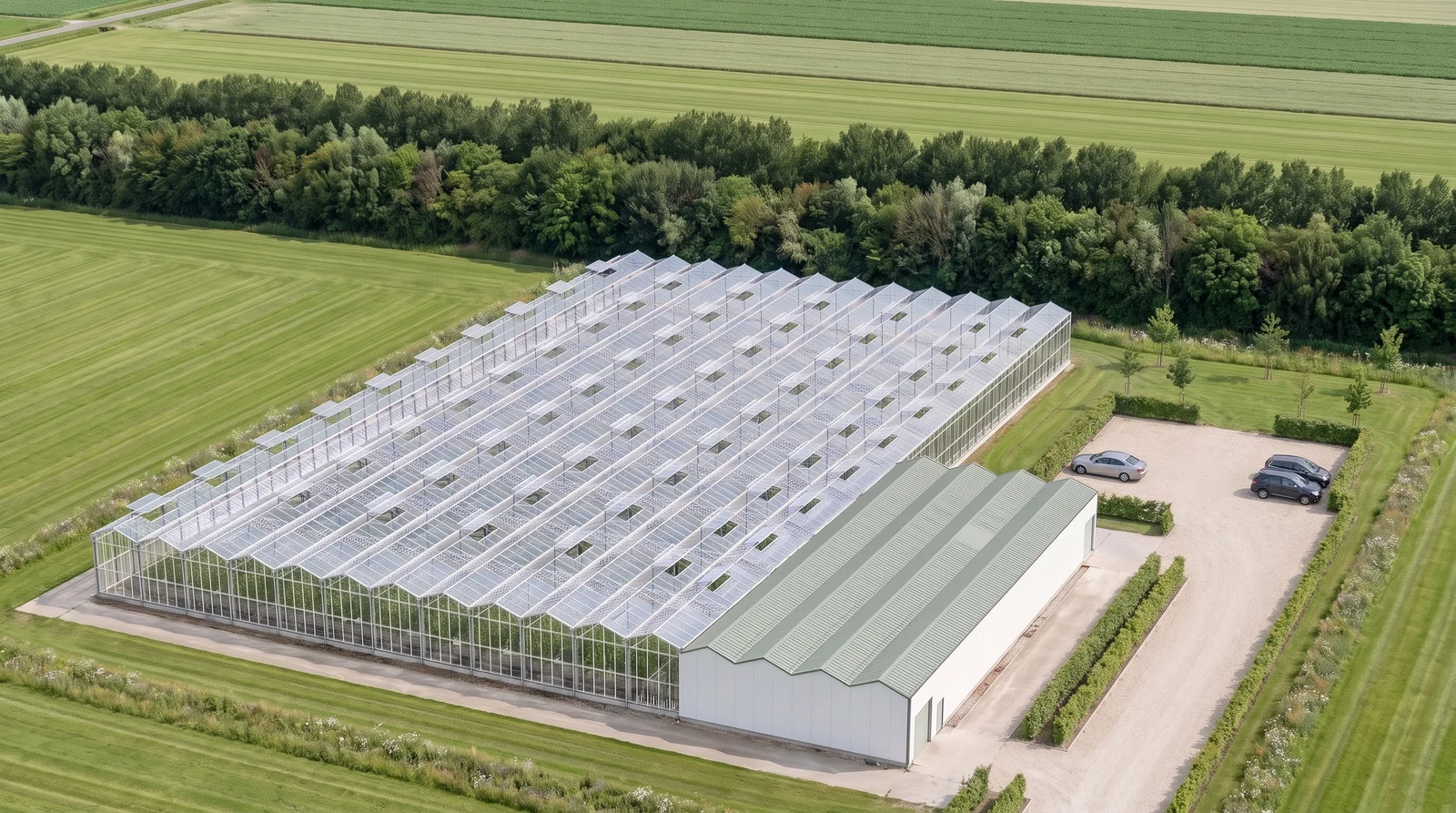
Expert Hydroponic Greenhouse Series
Eine definierte Konstruktion für die kommerzielle Hydroponik. Die Kultur bestimmt Kultursystem, Klimastrategie und Ernteanordnung.
½ acre1 acre2 acresEntdecken Expert3,840 m²41,333 sq ft Kulturfläche sind der übliche Ausgangspunkt für einen Produktionsplan mit salat (GrowPro Basic 1 acre). Alle neun Modelle vergleichen
Bringen Sie Ihre nächste Ernte
unter Glas.
Ihre Kultur, Ihr Standort und die Menge, die Sie verkaufen wollen. Finden wir das passende Gewächshaus und die passenden Systeme.
Ein individuelles Gewächshaus gesucht?GrowPro Basic
Wir können auch für eine andere Kultur oder ein gemischtes Anbauprogramm planen.
Über Ihr Projekt sprechen Weiter zum Kontaktformular. Unverbindlich.Lesenswertes, das Sie interessieren könnte

Grow Like a Pro: Starting Smart, Growing Strong
How Grow Like a Pro combines smart farming, CEA technology and local partnerships for eco-friendly, profitable, pesticide-free greenhouse pr
Artikel lesen
Maryland Cannabis Greenhouse: Year One
One year on: how the Maryland cannabis greenhouse, paired with an adjacent indoor facility, cut the energy bill and lifted both yields and q
Artikel lesen
The Case for a College Greenhouse
Why a college greenhouse belongs in the curriculum: teaching science, craftsmanship, business logic and sustainability, and preparing studen
Artikel lesen
The Case for a High School Greenhouse
Why every high school greenhouse matters: how it makes STEM tangible, builds responsibility and teamwork, and helps students discover their
Artikel lesen
Greenhouses in Education: The Case for Schools
Greenhouses in education reconnect students to reality — the full case for why every school, high school, college and trade program should h
Artikel lesen
The Origins of Greenhouse Horticulture: My Backyard
A tour through greenhouse horticulture history: from 19th-century Westland fruit walls to the “City of Glass” and today’s international high
Artikel lesen