
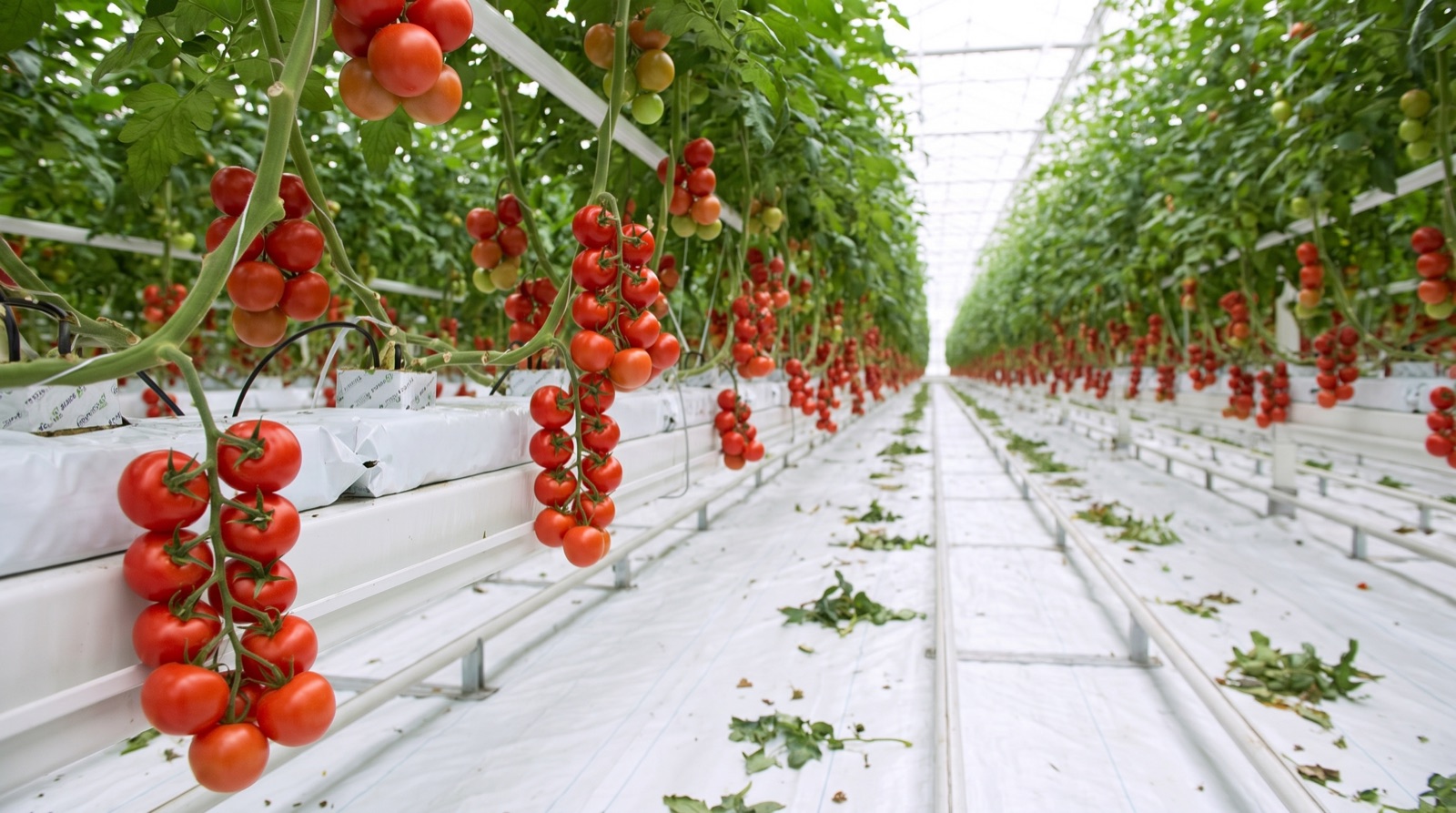
Crops · Fruiting vegetable
Tomato.
La culture autour de laquelle la serre moderne s’est construite.
Cultivée près, cueillie mûre
La tomate est essentiellement de l’eau, et le reste est la raison pour laquelle on la mange. La vitamine C, le potassium et le caroténoïde qui donne au fruit mûr sa couleur se logent tous dans ce petit reliquat, et tous sont à leur plus fort dans un fruit mûri sur la plante plutôt qu’en cageot.
C’est là que la distance commence à compter. Un fruit qui a un long trajet devant lui est cueilli avant d’être prêt, parce qu’une tomate mûre ne voyage pas. Elle finit de se colorer en transit et arrive avec l’air d’être aboutie, mais les sucres et les acides qui se mettaient encore en place au moment de la coupe n’arrivent jamais. Le cultivar sur l’étiquette est le même. Le produit, non.
Cultiver près du marché supprime le compromis. Une serre proche des personnes qui consomment la culture peut cueillir à maturité et livrer dans la semaine, et elle peut le faire en février aussi bien qu’en juillet, ce qu’un champ ne peut pas promettre. Plus la distance entre la plante et l’assiette est courte, moins la récolte se dépense en chemin.
Valeurs nutritionnelles
Tomate, rouge, mûre, crue — moyenne annuelle
Pour 100 g
- Énergie
- 18 kcal
- Matières grasses
- 0.2 g
- Glucides
- 3.89 g
- dont sucres
- 2.63 g
- Fibres
- 1.2 g
- Protéines
- 0.88 g
- Sodium
- 5 mg
- Potassium
- 237 mg
- Vitamine C
- 13.7 mg
Source : USDA FoodData Central, FDC 170457
Quel type de tomato ?
Les catégories commerciales.
La culture de référence sous serre. La catégorie que vous vendez détermine la charge de plante, le rythme de récolte et la serre.

Beef Tomatoes
Beef tomato is the large-fruited slicing class, sold as single fruit rather than as a cluster.
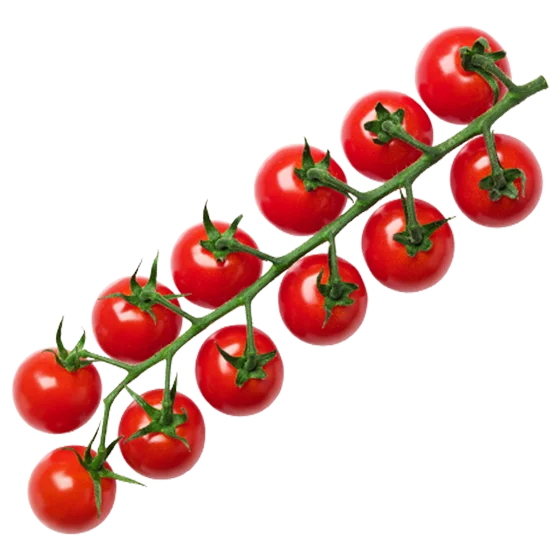
Cherry Tomatoes
Cherry tomato is a separate market class from truss, priced on flavour and appearance rather than weight.
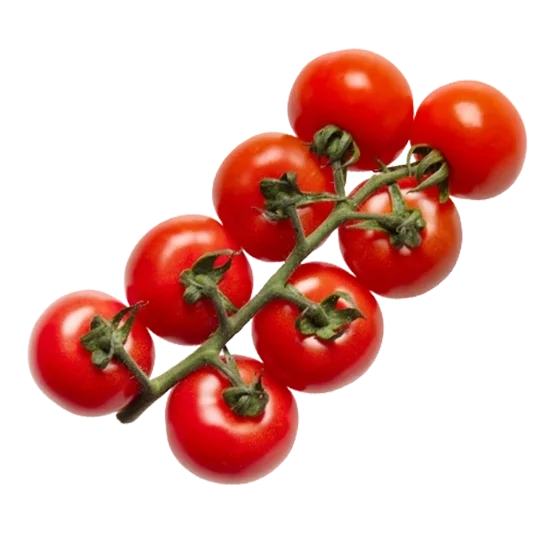
Cocktail Tomatoes
What are cocktail tomatoes?
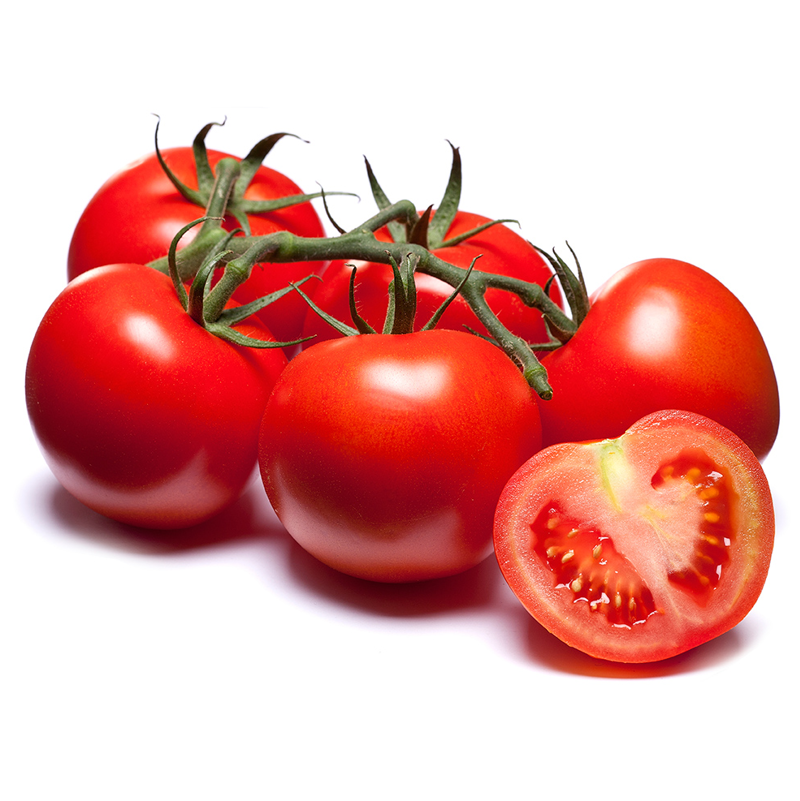
TOV / Truss Tomatoes
Truss tomato is harvested as a whole cluster with the vine attached, and graded on evenness across the truss.
La tomate est la culture de référence de l’horticulture néerlandaise sous serre, et l’essentiel de ce que fait une serre moderne a été mis au point sur elle. L’approvisionnement toute l’année, la culture sur fil haut, le dosage du dioxyde de carbone, la stratégie d’écrans et l’irrigation recirculée ont tous mûri sur la tomate avant de passer à d’autres cultures. Un acheteur qui entre dans la tomate entre dans la culture la plus documentée du secteur, ce qui signifie que les questions de conception y sont bien comprises et que la concurrence est expérimentée.
Ce que la culture demande
La plante est un légume-fruit indéterminé à cycle long, cultivé sur substrat et conduit sur fil haut. Elle est plantée une fois et récoltée la plus grande partie de l’année : la serre n’est donc pas dimensionnée pour une semaine de pointe mais pour un rythme continu de nouaison, de mûrissement et de récolte. Comme la culture reste en place aussi longtemps, la structure et le système climatique portent toute la saison plutôt qu’une courte fenêtre, et une faiblesse de l’un ou de l’autre se cumule sur chaque grappe que la plante noue.
Ce qui distingue les variétés
Ce qui sépare les types commerciaux, c’est le calibre du fruit et la manière dont il est vendu. La tomate en grappe est récoltée entière sur la grappe et constitue la norme d’exportation néerlandaise. La cerise et la cocktail sont des types de marché à plus petits fruits, avec leur propre charge de plante, leur propre main-d’œuvre de récolte et leurs propres exigences de qualité. La charnue est un type à gros fruits, dont la structure de grappe est tout autre. La recette climatique est commune à toute la culture, mais la charge de plante, l’intervalle de récolte et la manutention diffèrent assez pour que la serre soit spécifiée pour le type plutôt que pour la tomate en général.
DutchGreenhouses® spécifie ensemble la structure, la gestion du climat, les écrans et l’irrigation autour du type de tomate, de son marché et du climat local, afin que l’enveloppe convienne au fruit vendu plutôt qu’à la tomate en général. Contactez-nous pour planifier une serre à tomates adaptée à votre marché.
La serre derrière tomates
Tomates, sous verre.
Hydroponie sur fil haut sur gouttières suspendues.
Le palissage, la hauteur de travail, la lumière et le climat suivent votre type de tomate et votre calendrier de production.
La culture de référence sous serre.
Hydroponie sur fil haut sur gouttières suspendues.
Faites correspondre le type de fruit, le calibre de qualité et les indicateurs de récolte à votre acheteur.
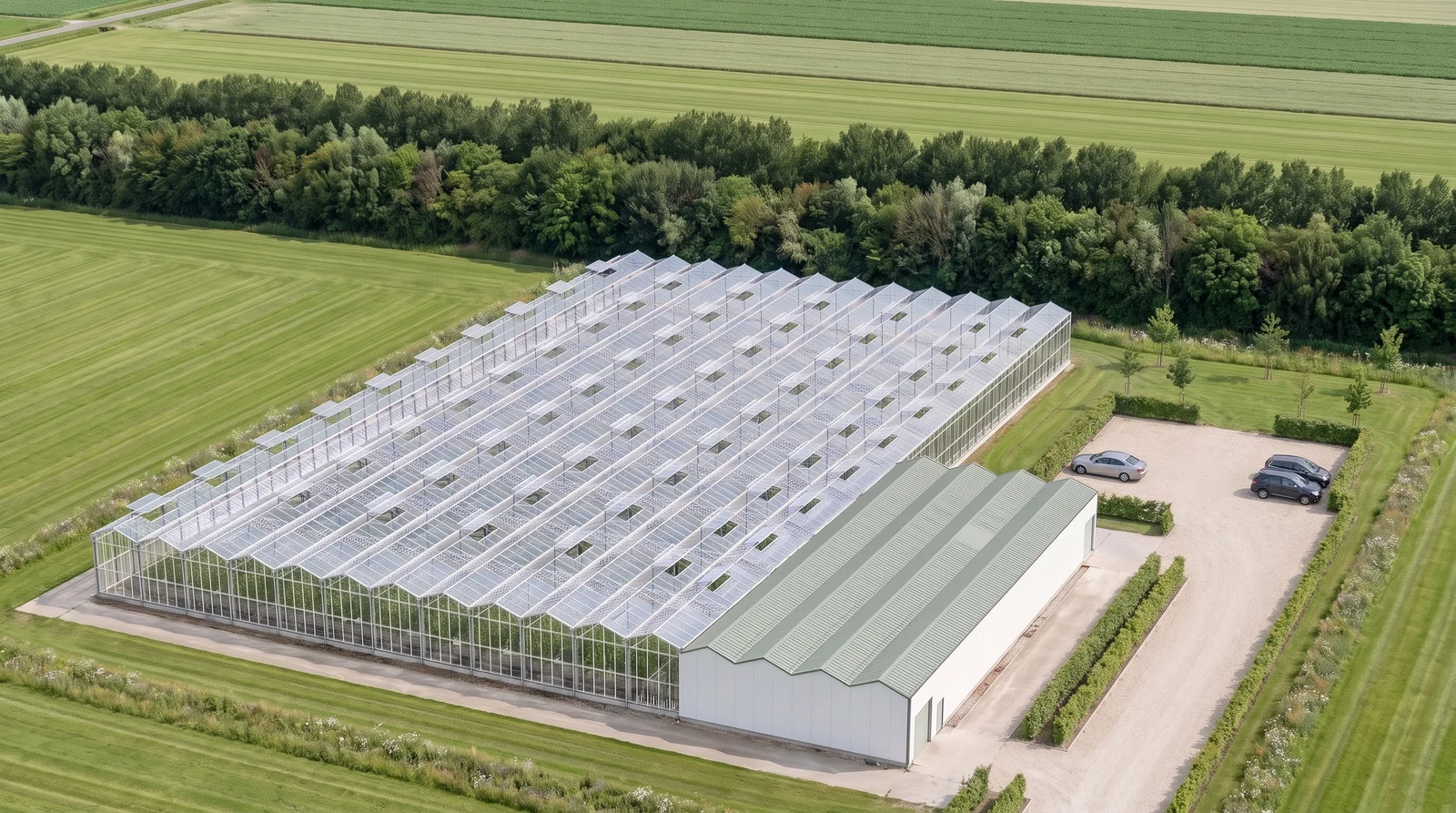
Expert Hydroponic Greenhouse Series
Une structure définie pour l’hydroponie de production. La culture détermine le système de culture, la stratégie climatique et l’organisation de la récolte.
½ acre1 acre2 acresExplorer Expert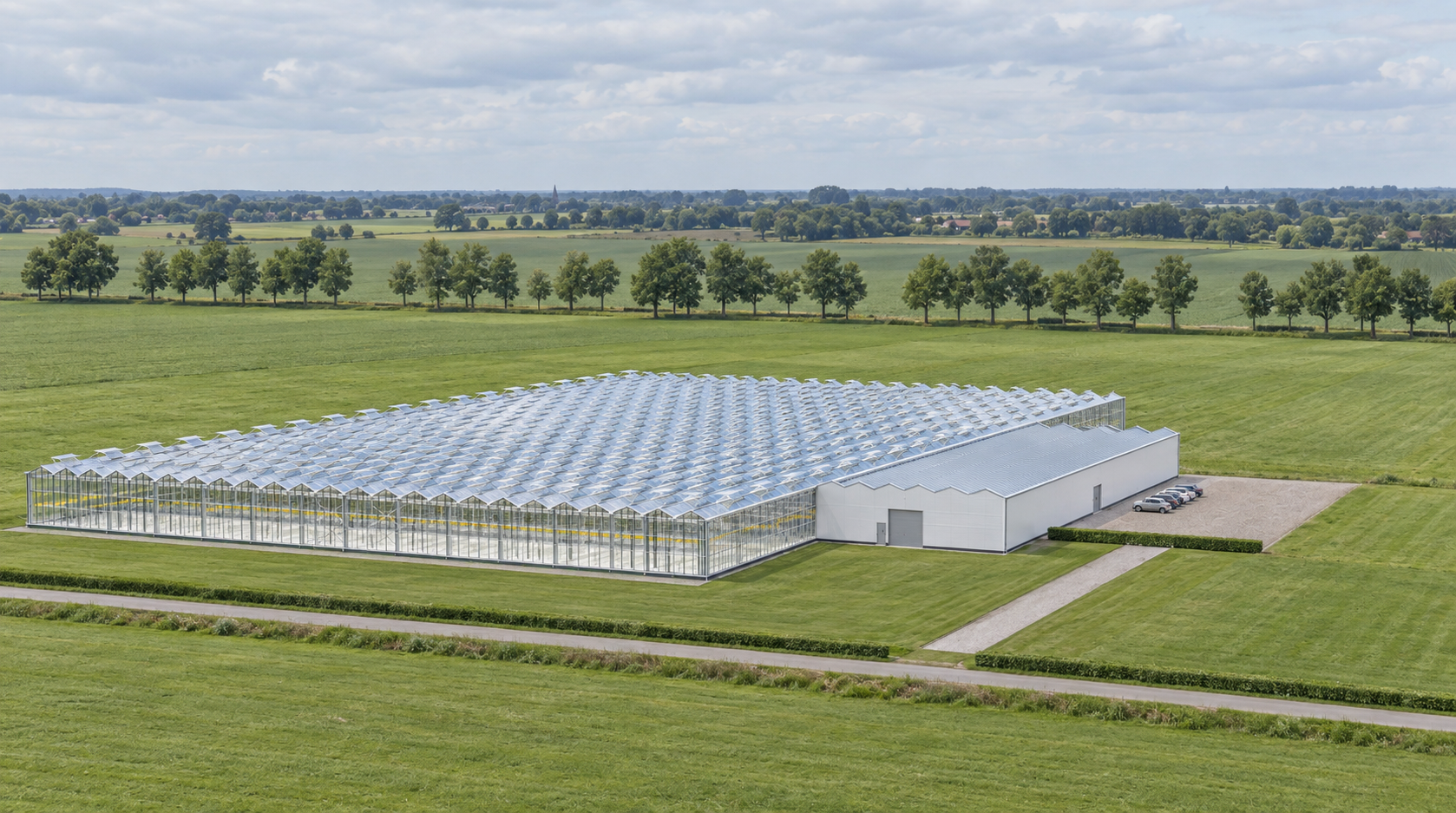
Plus Hydroponic Greenhouse Series
Notre plus grande gamme standard. Adaptez la surface de culture plus importante à la demande de la culture, à la main-d’œuvre, aux réseaux et au marché que vous comptez approvisionner.
2 acres4 acres8 acresExplorer Plus4,032 m²43,400 sq ft de surface de culture, c’est là qu’un plan tomates commence généralement (GrowPro Expert 1 acre). Comparer les neuf modèles
Mettez votre prochaine récolte
sous verre.
Votre culture, votre site et le volume que vous voulez vendre. Trouvons la serre et les systèmes qui correspondent.
Besoin d’une serre sur mesure ?GrowPro Expert
Nous pouvons aussi planifier une autre culture ou un programme de cultures mixtes.
Parler de votre projet Continuez vers notre formulaire de contact. Sans engagement.Des lectures qui pourraient vous intéresser

Grow Like a Pro: Starting Smart, Growing Strong
How Grow Like a Pro combines smart farming, CEA technology and local partnerships for eco-friendly, profitable, pesticide-free greenhouse pr
Lire l’article
Maryland Cannabis Greenhouse: Year One
One year on: how the Maryland cannabis greenhouse, paired with an adjacent indoor facility, cut the energy bill and lifted both yields and q
Lire l’article
The Case for a College Greenhouse
Why a college greenhouse belongs in the curriculum: teaching science, craftsmanship, business logic and sustainability, and preparing studen
Lire l’article
The Case for a High School Greenhouse
Why every high school greenhouse matters: how it makes STEM tangible, builds responsibility and teamwork, and helps students discover their
Lire l’article
Greenhouses in Education: The Case for Schools
Greenhouses in education reconnect students to reality — the full case for why every school, high school, college and trade program should h
Lire l’article
The Origins of Greenhouse Horticulture: My Backyard
A tour through greenhouse horticulture history: from 19th-century Westland fruit walls to the “City of Glass” and today’s international high
Lire l’article