
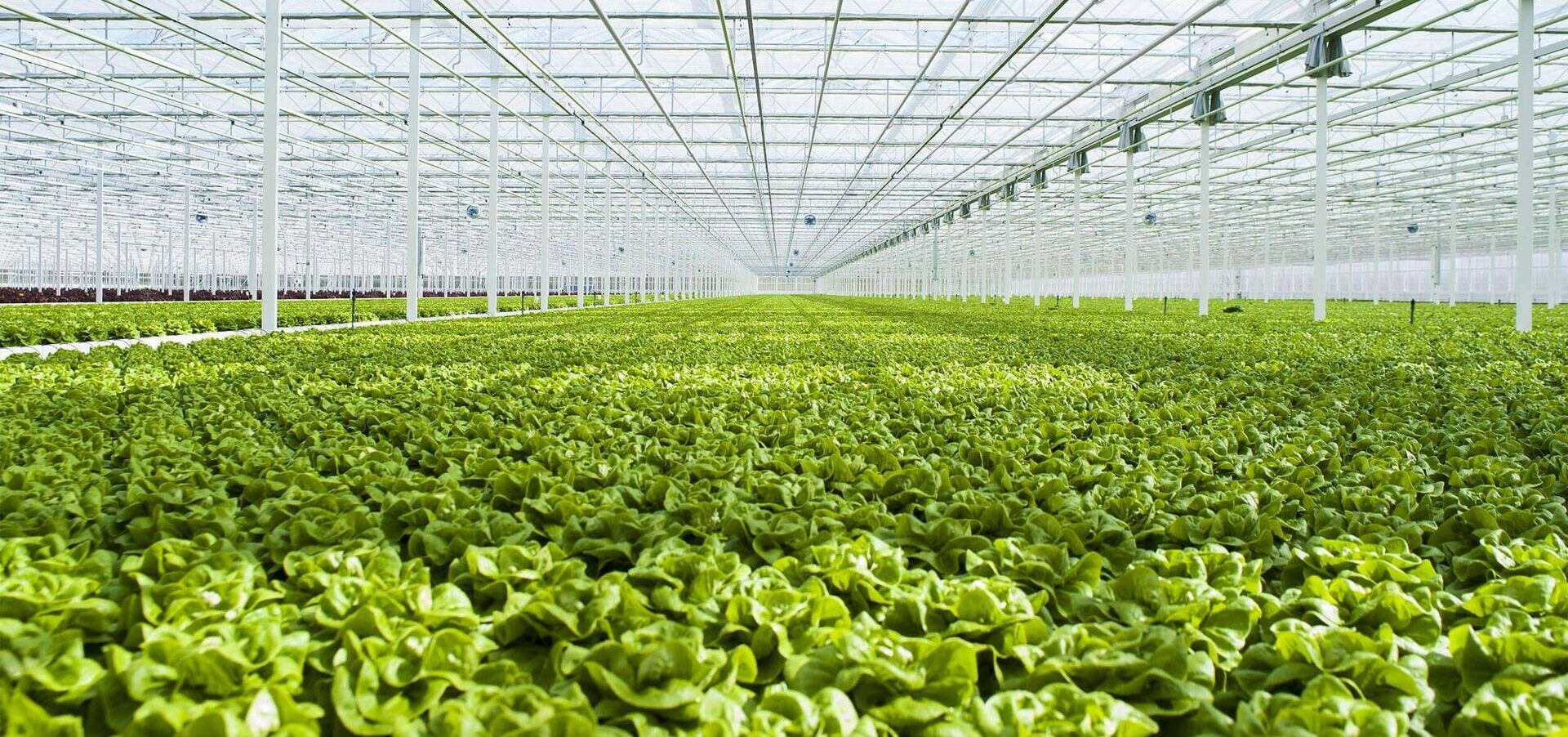
Crops · Leafy green
Lettuce.
Un ciclo corto que se repite todo el año, donde el cogollo es la unidad de venta.
Días, no semanas
La lechuga es sobre todo agua, y lo que lleva además de eso se come exactamente como salió de la planta. La vitamina C, el potasio y el folato están en la hoja, y una ensalada nunca se cocina, así que nada se pierde en la cocción y nada se añade después. La hoja es a la vez el cultivo y el plato.
El agua es también la razón de que el cogollo sea frágil. Una lechuga cortada sigue viva y sigue perdiendo humedad, y gasta en ello su propia condición. Un fruto puede terminar de madurar por el camino; una hoja solo envejece. La turgencia, el color y la vida útil empiezan a decaer en la hora del corte.
Eso pone la distancia en el centro del argumento. Un invernadero cerca de su mercado puede cortar por la mañana y entregar el mismo día, y el cogollo llega al plato con la mayor parte de su vida por delante. Y puede hacerlo en todos los meses del año, que es la parte que un campo abierto en un clima duro no puede prometer.
Información nutricional
Lechuga, hoja verde, cruda
Por 100 g
- Energía
- 15 kcal
- Grasas
- 0.15 g
- Hidratos de carbono
- 2.87 g
- de los cuales azúcares
- 0.78 g
- Fibra
- 1.3 g
- Proteínas
- 1.36 g
- Sodio
- 28 mg
- Potasio
- 194 mg
- Vitamina C
- 9.2 mg
¿Qué lettuce?
Los tipos comerciales.
Cosechas repetidas. Calidad y tamaño de cogollo constantes. El tipo que vende decide la carga de planta, el ritmo de cosecha y el invernadero.
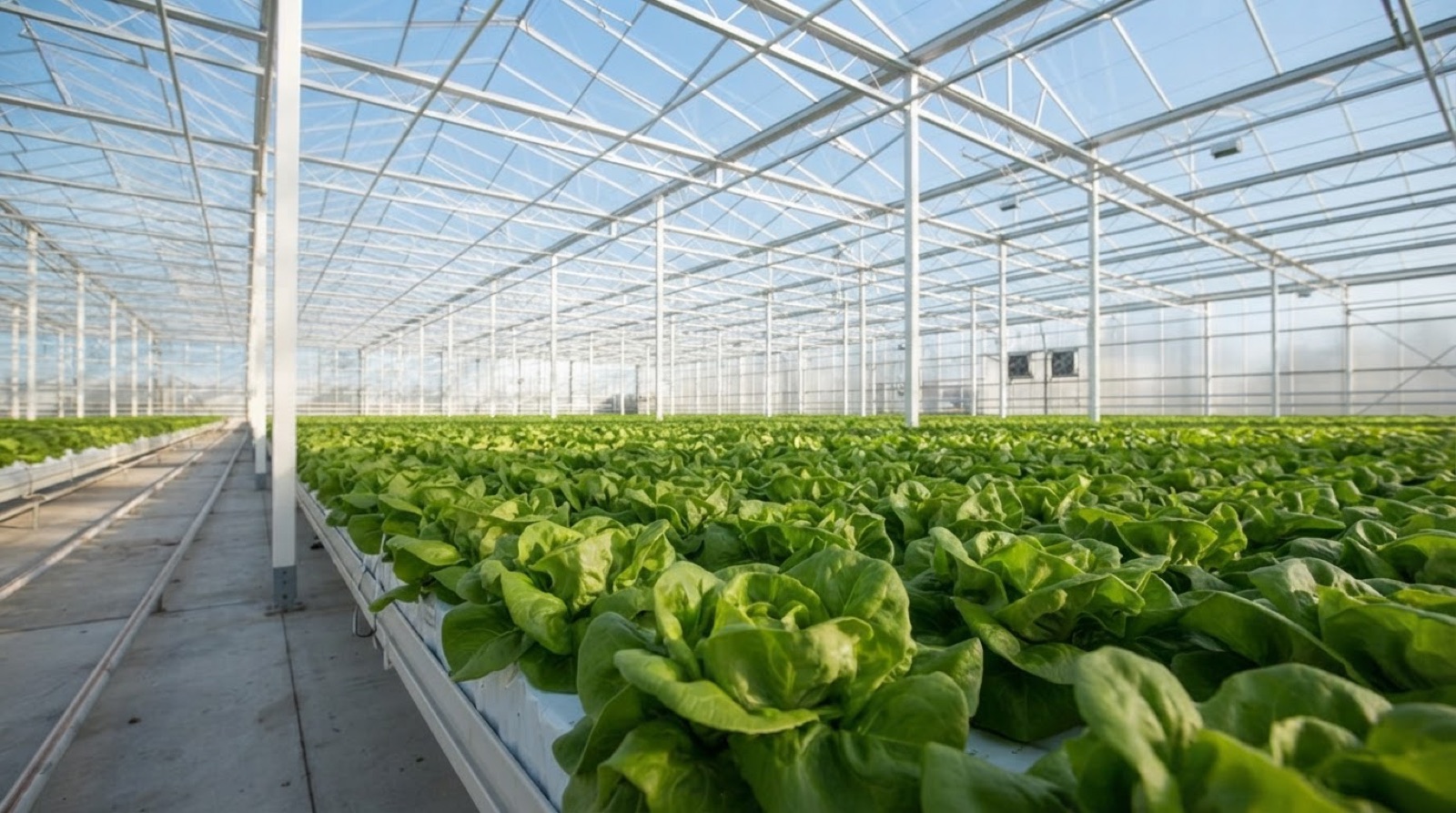
Butterhead Lettuce
Butterhead is the soft-leaved wholehead lettuce sold with its outer leaves intact, and the type most European buyers picture when they specify lettuce.
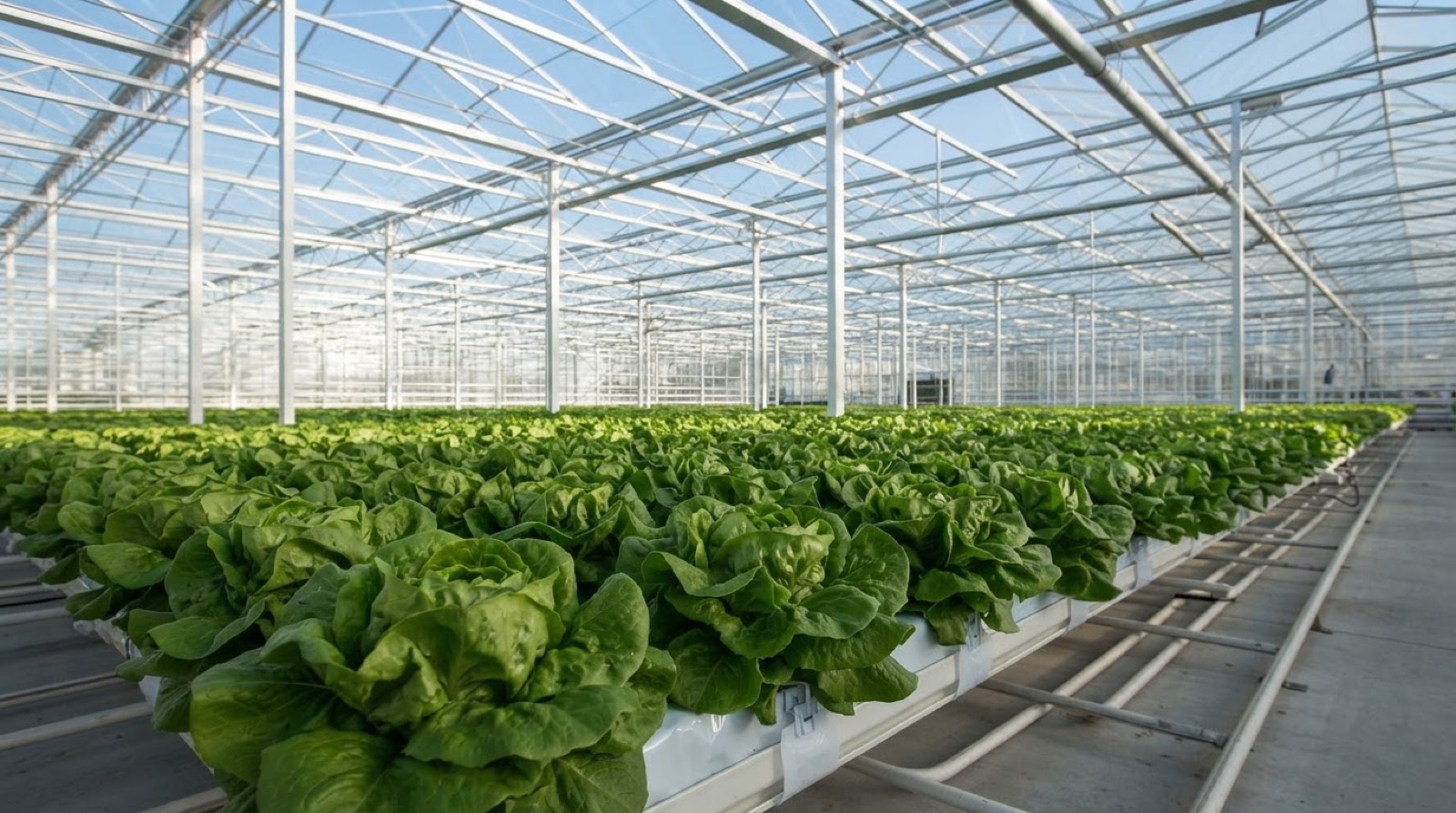
Green Crispy Lettuce
Green crispy is the dense, crunchy-leaved lettuce sold both as a wholehead and into processing, where the leaf holds its texture after cutting.
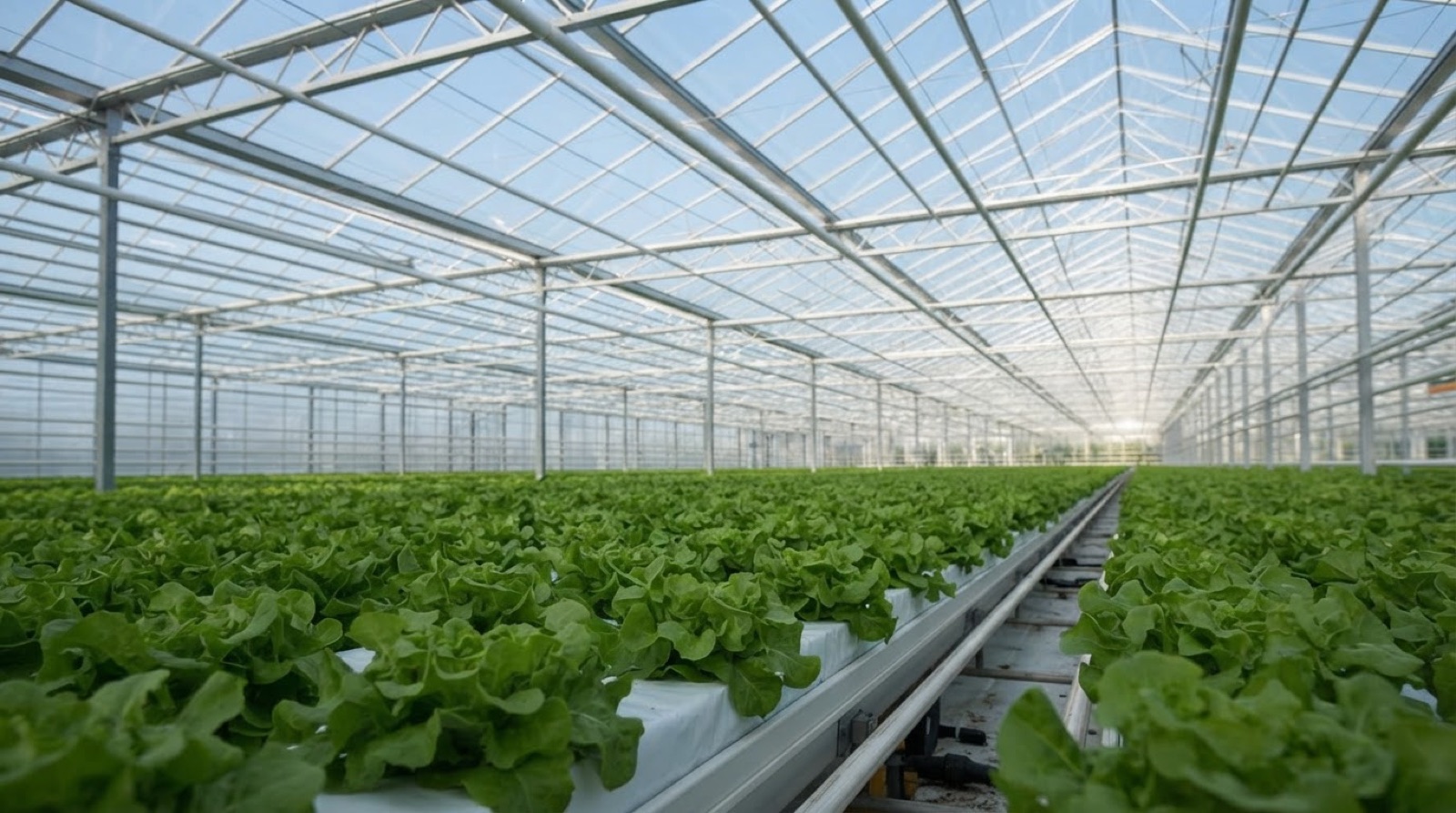
Green Oakleaf Lettuce
Green oakleaf lettuce is a lobed, soft-leaved head grown for leaf shape rather than for weight.
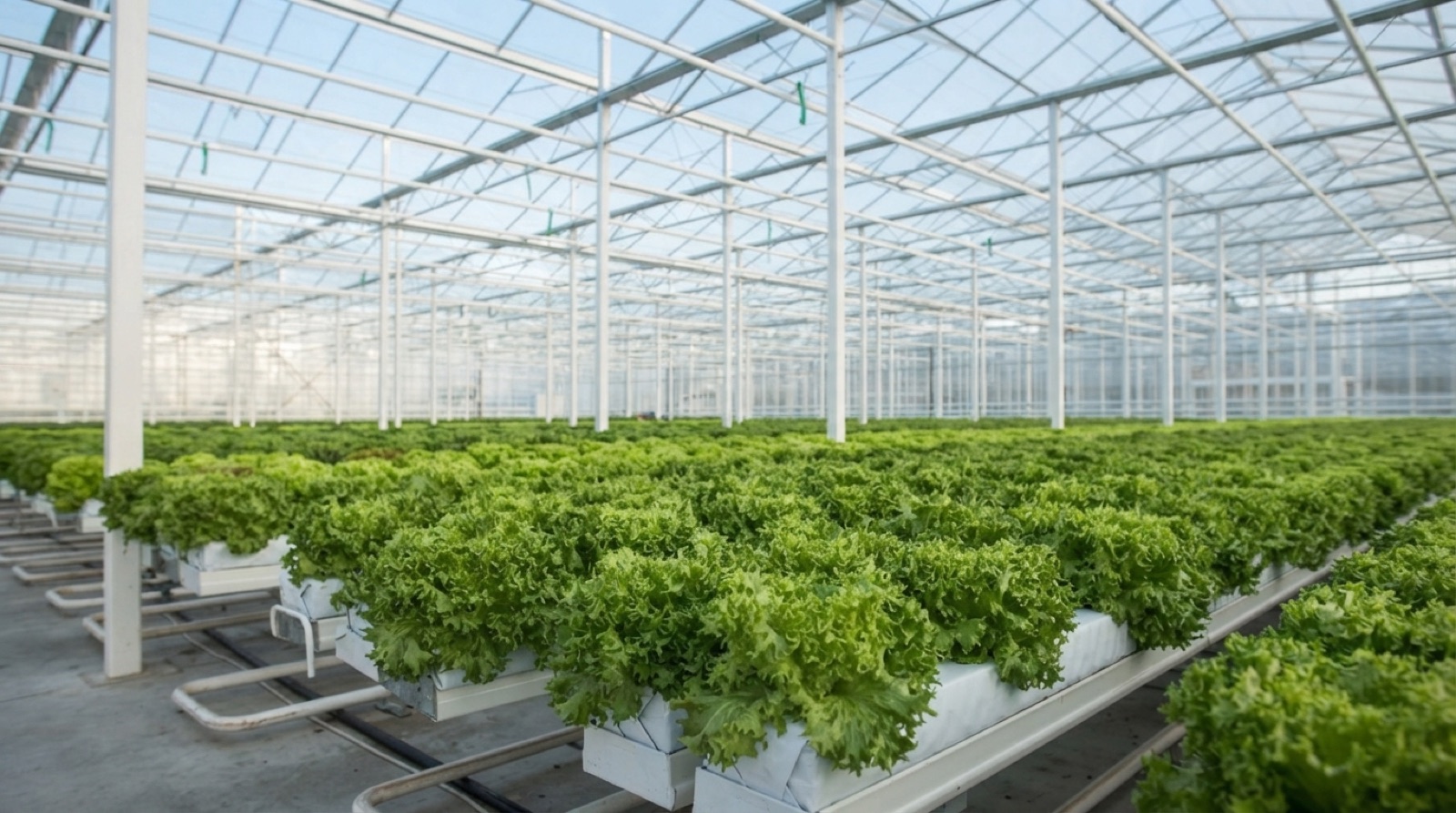
Lollo Bionda Lettuce
Lollo Bionda is the green Lolla lettuce, with a tightly curled leaf margin and bought for appearance rather than for weight.
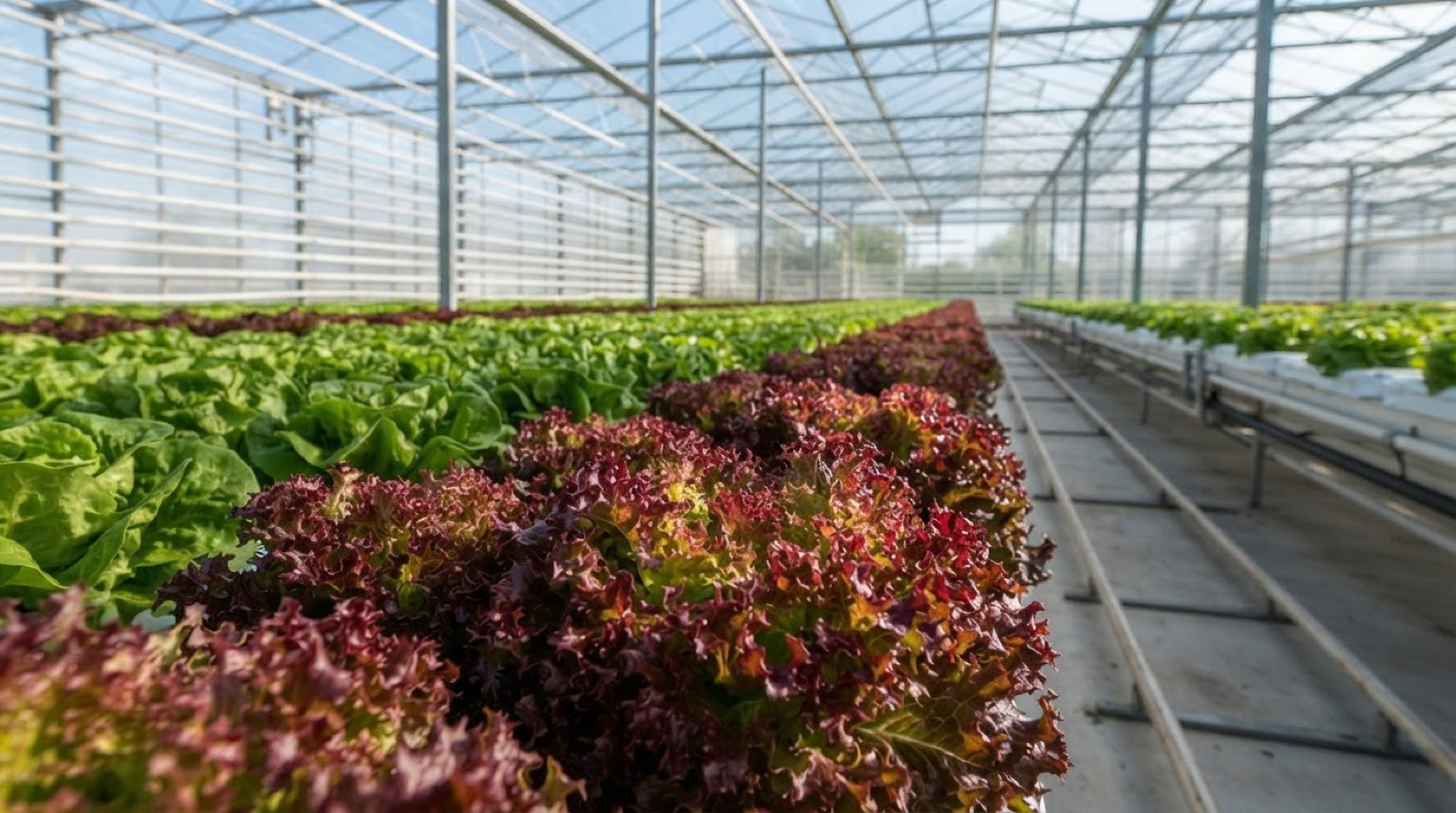
Lollo Rosso Lettuce
Lollo Rosso is the red Lolla lettuce, where the tightly curled leaf margin and the red pigmentation are both the product.
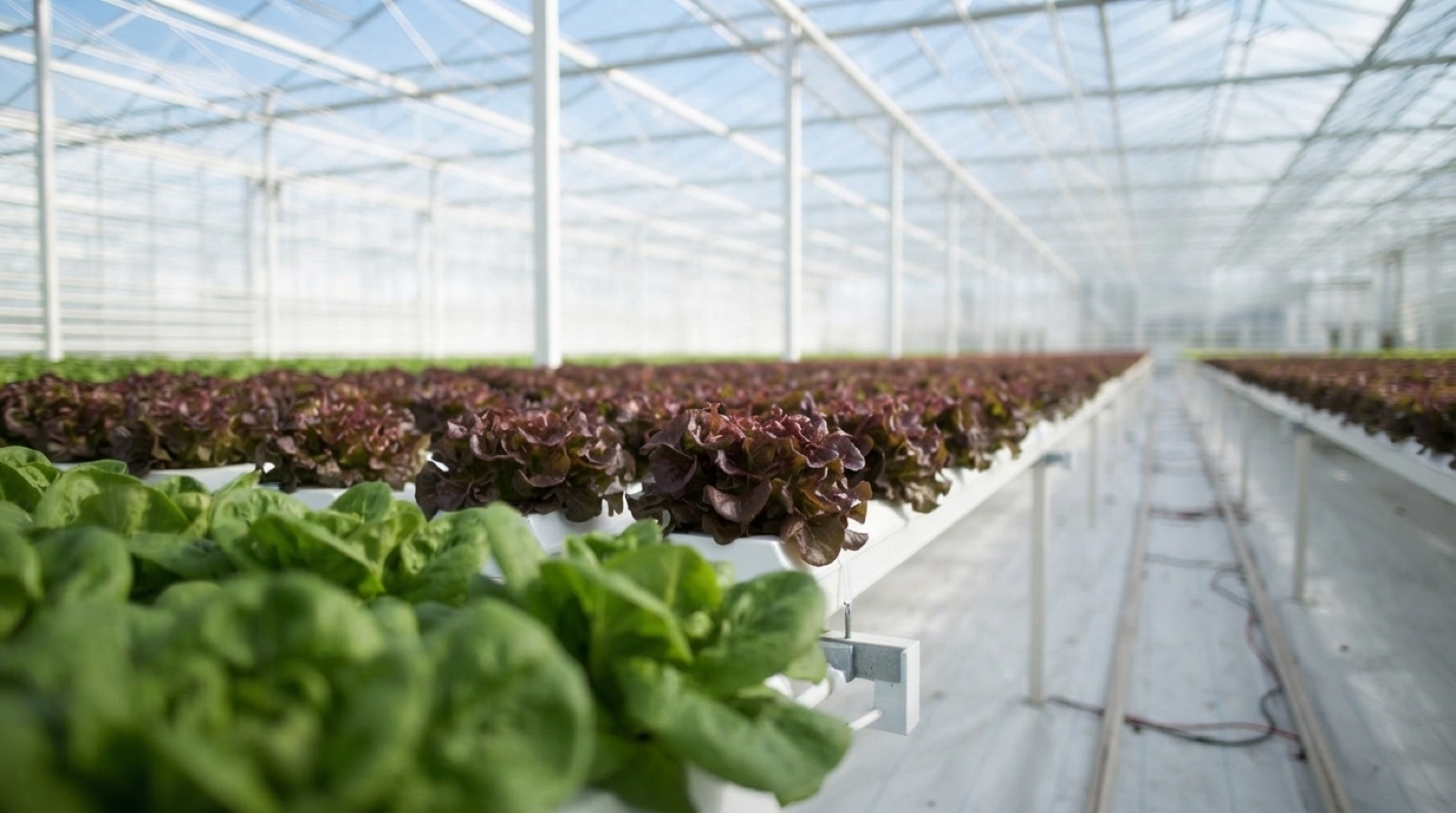
Red Crispy Lettuce
Red crispy is the red-pigmented counterpart of the green crispy head, sold wholehead and into mixed-leaf packs where colour intensity is part of the specification.
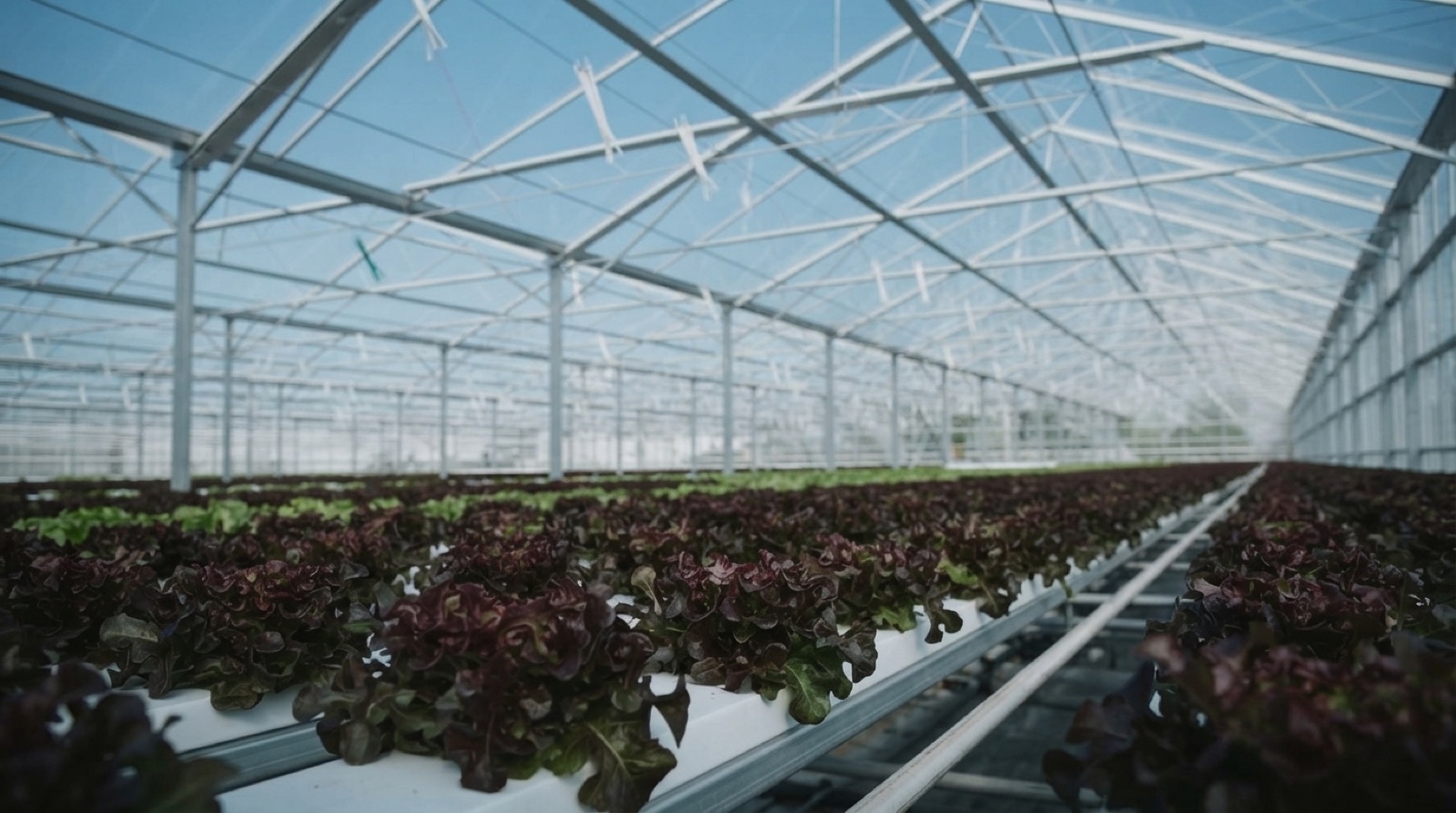
Red Oakleaf Lettuce
Red oakleaf lettuce carries the lobed leaf of the oakleaf types with red pigmentation, and most often reaches the consumer inside a multi-type pack.
La lechuga se vende por cogollo, no por kilogramo, y ese solo hecho reorganiza la economía del cultivo. Los ingresos siguen al número de cogollos vendibles que un invernadero produce en un año, de modo que las preguntas de diseño son la duración del ciclo, la densidad de plantación y la proporción de cogollos que alcanzan categoría. Un invernadero que produce cogollos pesados despacio puede ganar menos que otro que produce cogollos más ligeros en un turno más corto, lo contrario de como se juzga un cultivo de fruto.
Lo que el cultivo necesita
El cultivo es de ciclo corto e hidropónico, y se planta y se retira muchas veces al año. Ese ritmo hace que la disposición del sistema importe tanto como el clima: el movimiento de las plantas por el invernadero, los cambios de espaciado a medida que los cogollos se expanden y el tiempo de giro entre cosecha y replantación determinan cuántos ciclos al año puede dar realmente el edificio. La envolvente climática en sí es estrecha más que exigente.
Lo que separa a las variedades
Los tipos comerciales se dividen por la forma del cogollo y la forma de la hoja —mantecosa, Batavia, crujiente, hoja de roble, incisa, Lolla y romana— y cada vez más por cultivar dentro de cada tipo. Un proyecto de lechuga se planifica en torno a un cultivar concreto porque la masa del cogollo, la tolerancia a la densidad y el riesgo de quemadura de puntas son propiedades del cultivar y no del tipo. La romana presenta el mayor riesgo de quemadura de puntas de la familia, porque su cogollo erguido encierra los márgenes foliares de crecimiento más rápido, donde menos se mueve el aire.
DutchGreenhouses® diseña la estructura, el clima, las pantallas y el riego en torno al tipo de lechuga, su sistema y el clima local, para que el invernadero gire ciclos con la calidad de cogollo por la que el mercado clasifica. Póngase en contacto para planificar un invernadero de lechuga.
El invernadero detrás de lechuga
Lechuga, bajo vidrio.
Sistemas de mesa con balsas flotantes, sistemas de canaletas móviles (MGS) o cultivo en agua profunda con NFT o flujo y.
Parta del tamaño del cogollo, el ciclo de cultivo y el manejo de la cosecha para definir el sistema de cultivo, el marco de plantación y el clima.
Cosechas repetidas. Calidad y tamaño de cogollo constantes.
Sistemas de mesa con balsas flotantes, sistemas de canaletas móviles (MGS) o cultivo en agua profunda con NFT o flujo y.
Planifique los cogollos vendidos por ciclo, los calibres, el envasado y los pedidos recurrentes.
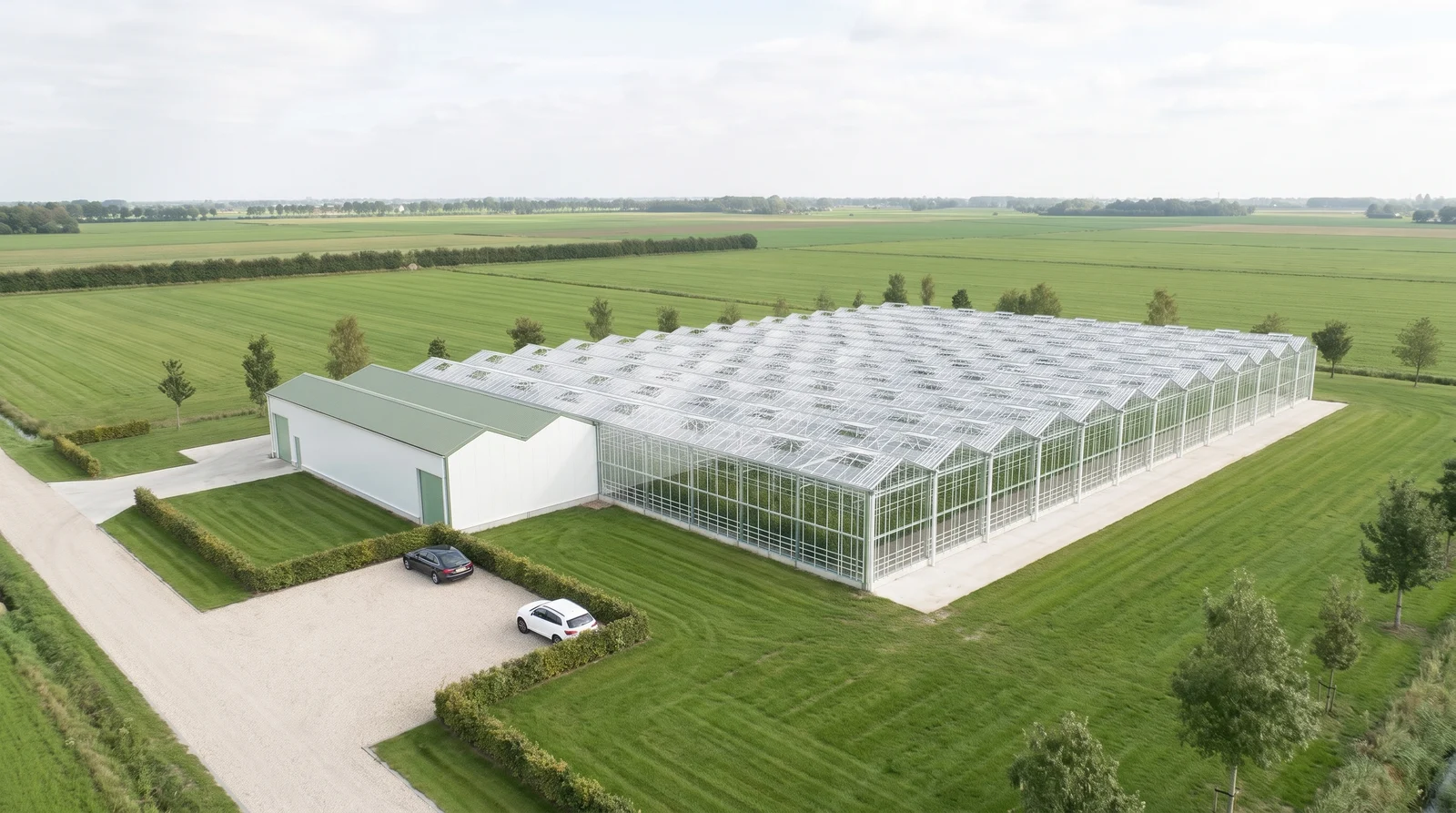
Basic Organic Greenhouse Series
Invernaderos de vidrio tipo Venlo para cultivos en suelo. Defina el cultivo, los bancales, los accesos y el calendario de producción antes de especificar los sistemas.
¼ acre½ acre1 acreExplorar Basic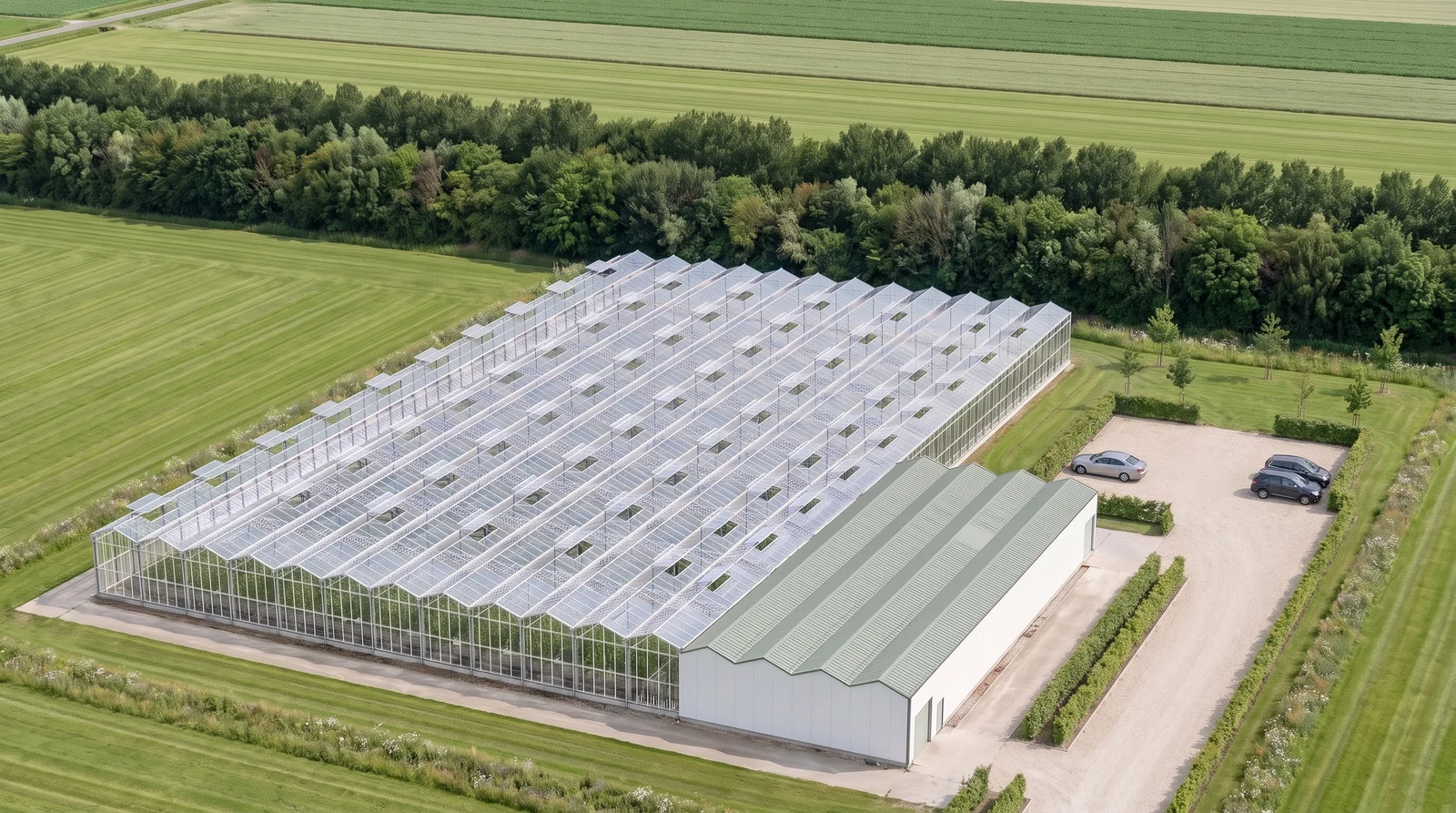
Expert Hydroponic Greenhouse Series
Una estructura definida para el cultivo hidropónico de producción. El cultivo determina el sistema de cultivo, la estrategia climática y la distribución de la cosecha.
½ acre1 acre2 acresExplorar Expert3,840 m²41,333 sq ft de espacio de cultivo es donde suele empezar un plan de lechuga (GrowPro Basic 1 acre). Comparar los nueve modelos
Ponga su próxima cosecha
bajo vidrio.
Su cultivo, su emplazamiento y el volumen que quiere vender. Encontremos el invernadero y los sistemas que encajan.
¿Necesita un invernadero a medida?GrowPro Basic
También podemos planificar otro cultivo o un programa de cultivo mixto.
Hablemos de su proyecto Continúe a nuestro formulario de contacto. Sin compromiso.Lecturas que podrían interesarle

Grow Like a Pro: Starting Smart, Growing Strong
How Grow Like a Pro combines smart farming, CEA technology and local partnerships for eco-friendly, profitable, pesticide-free greenhouse pr
Leer artículo
Maryland Cannabis Greenhouse: Year One
One year on: how the Maryland cannabis greenhouse, paired with an adjacent indoor facility, cut the energy bill and lifted both yields and q
Leer artículo
The Case for a College Greenhouse
Why a college greenhouse belongs in the curriculum: teaching science, craftsmanship, business logic and sustainability, and preparing studen
Leer artículo
The Case for a High School Greenhouse
Why every high school greenhouse matters: how it makes STEM tangible, builds responsibility and teamwork, and helps students discover their
Leer artículo
Greenhouses in Education: The Case for Schools
Greenhouses in education reconnect students to reality — the full case for why every school, high school, college and trade program should h
Leer artículo
The Origins of Greenhouse Horticulture: My Backyard
A tour through greenhouse horticulture history: from 19th-century Westland fruit walls to the “City of Glass” and today’s international high
Leer artículo