
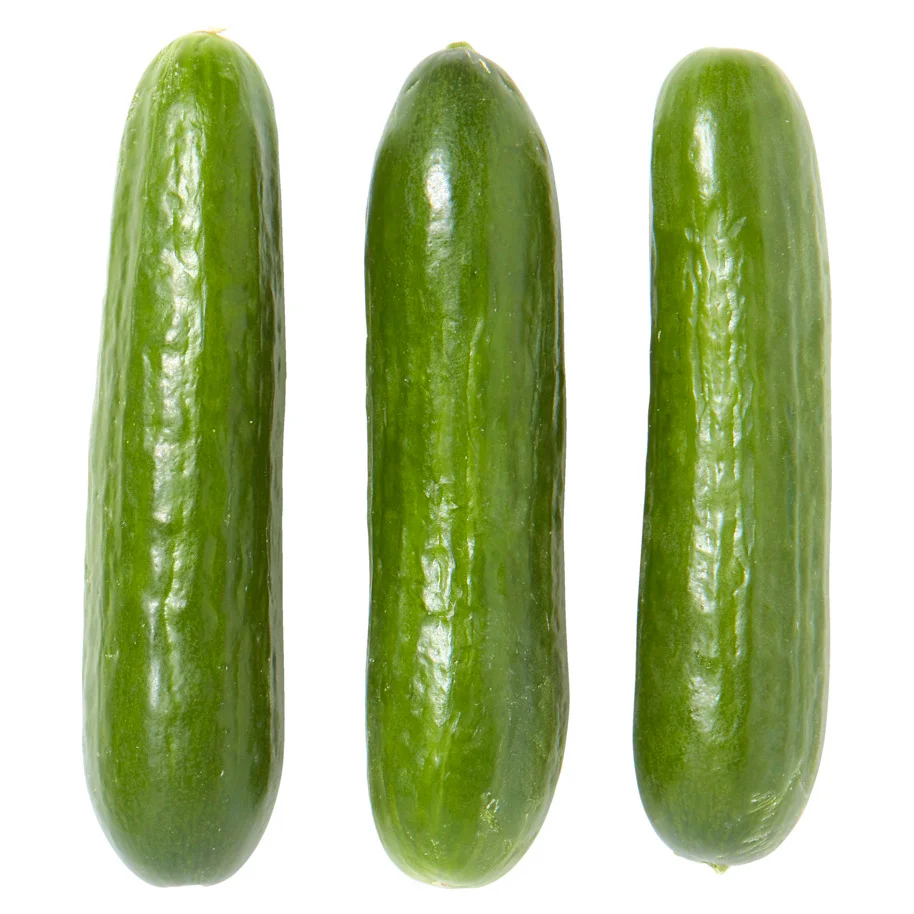
Cucumber
Mini Cucumbers.
Una etiqueta que se ha desplazado más que ninguna otra del cultivo.
La piel forma parte del alimento
El mini pepino se come sin pelar. La piel es lo bastante fina para comerse con el fruto, y eso cambia lo que realmente se ingiere: la fibra está en la piel y justo debajo de ella, y nada de eso se retira en la tabla.
La piel es también la primera parte que acusa el paso del tiempo. Es la superficie por la que el fruto pierde agua, y se ablanda antes que nada del interior. Un fruto que ha tardado una semana en llegar al lineal es un fruto cuya parte comestible ya se ha reblandecido.
Eso mantiene el cultivo cerca de casa. Recolectado dentro de su ventana de calibre y entregado en pocos días, el fruto llega al envasado con la piel tersa, que es a la vez la calidad de consumo y la parte del alimento en la que está la fibra.
Información nutricional
Pepino, con piel, crudo
Por 100 g
- Energía
- 15 kcal
- Grasas
- 0.11 g
- Hidratos de carbono
- 3.63 g
- de los cuales azúcares
- 1.67 g
- Fibra
- 0.5 g
- Proteínas
- 0.65 g
- Sodio
- 2 mg
- Potasio
- 147 mg
- Vitamina C
- 2.8 mg
El mini pepino es un fruto pequeño y de piel fina que se vende en multipacks y se come sin pelar. Es el tipo en el que la distancia entre el nombre y el producto es mayor: los cultivares que se vendían como mini hace décadas eran mucho más pesados que el fruto que hoy describe ese nombre, así que una especificación escrita solo en torno a la etiqueta no produce el fruto que espera un comprador.
Lo que el cultivo necesita
El cultivo se produce en sustrato y se conduce en alambre alto bajo la receta climática común del pepino. Su exigencia distintiva es la frecuencia de recolección: un fruto pequeño que alcanza calibre rápido obliga a recolectar con frecuencia, y un cultivo que se deja un día de más se sale de la especificación de calibre en lugar de limitarse a crecer. La planificación de la mano de obra sigue el intervalo de recolección, no el tonelaje.
Lo que tiene que hacer el invernadero
El mini pepino se recolecta a menudo, y el invernadero se distribuye para eso. Un fruto pequeño atraviesa su ventana de calibre rápido, así que el cultivo se recorre mucho más a menudo que un cultivo de pepino largo. El trazado de los pasillos, el transporte interno y la distancia desde la fila más lejana hasta la zona de envasado deciden qué parte del presupuesto de mano de obra consume ese recorrido.
El trabajo de clima es clima de pepino: transpiración alta, respuesta rápida, riego y humedad dimensionados para el pico. Lo que añade la ventana de calibre es una tolerancia baja a la variación. Una crujía fría o una sección seca no produce un cultivo más pequeño, produce fruto fuera de especificación, así que lo que se le pide al edificio es una transmisión de luz uniforme y un aporte de agua uniforme en toda la superficie.
DutchGreenhouses® especifica la estructura, el clima, las pantallas y el riego en torno al tipo de pepino, su intervalo de recolección y el clima local, de modo que el fruto llegue al envasado dentro de su especificación de calibre. Póngase en contacto para planificar un invernadero de pepino.
El mini pepino, preguntas y respuestas
¿Qué determina la distribución de un invernadero de mini pepino?
La frecuencia de recolección. El cultivo se recorre a menudo, así que el ancho de los pasillos, el transporte interno y la distancia desde la fila más lejana hasta la zona de envasado pesan más en la distribución que en un cultivo más lento.
¿Qué determina el coste de mano de obra en el mini pepino?
La frecuencia de recolección. Un fruto pequeño atraviesa su ventana de calibre rápido, así que el cultivo se recolecta a menudo y el plan de mano de obra sigue el intervalo y no el peso.
¿Necesita el mini pepino un clima distinto del largo?
La receta climática del pepino es común. Lo que difiere es el número de frutos, el intervalo de recolección y con cuánta precisión debe mantener el fruto su calibre, y eso configura la distribución y el plan de mano de obra más que las consignas de clima.
Other cucumber
varieties.
Recolección frecuente. Calibre de fruto constante. El tipo que vende decide la carga de planta, el ritmo de cosecha y el invernadero.
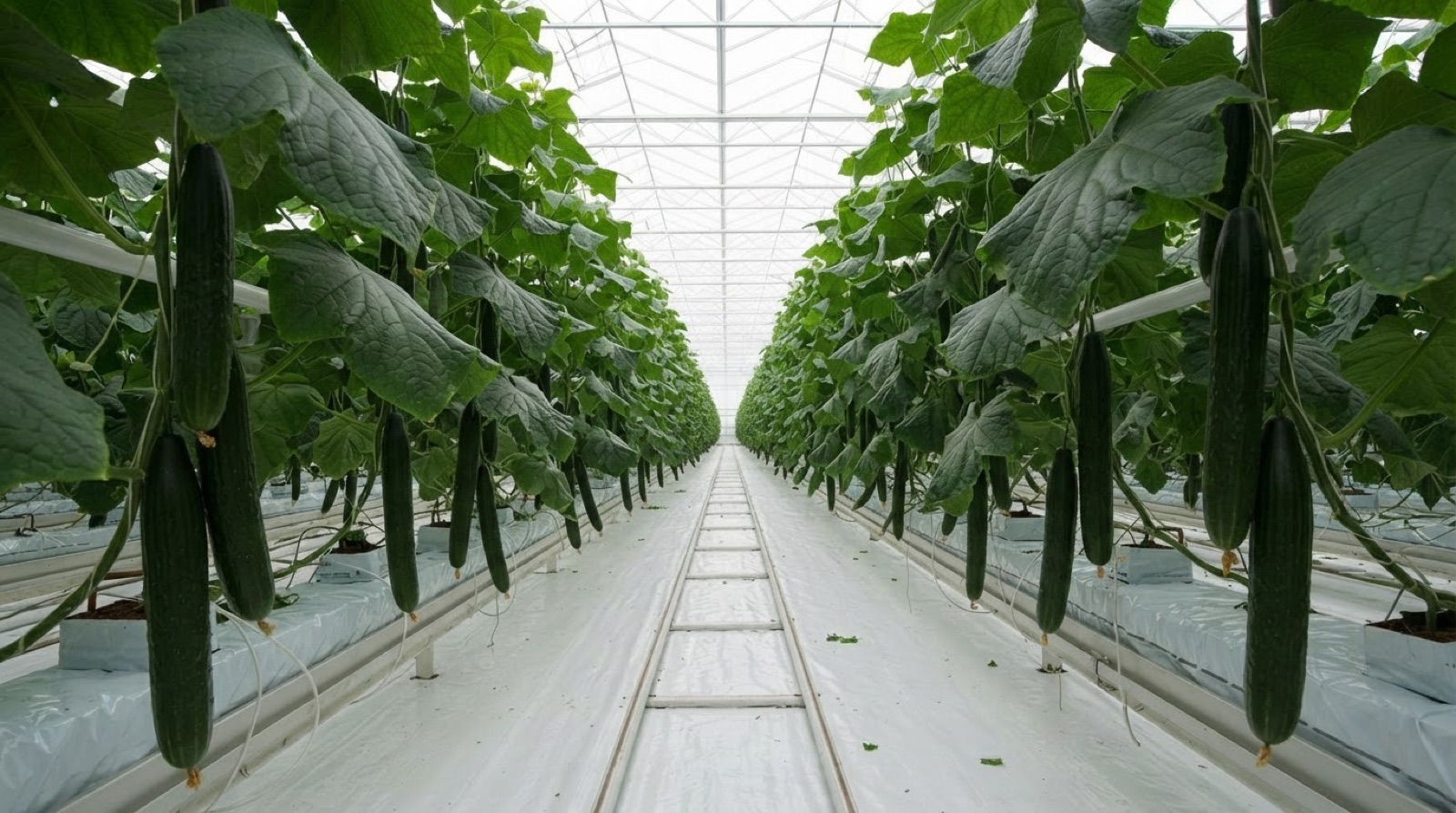
Long Cucumbers
Long cucumber is the classic Dutch glasshouse cucumber, sold by the piece to a tight length and straightness grade.
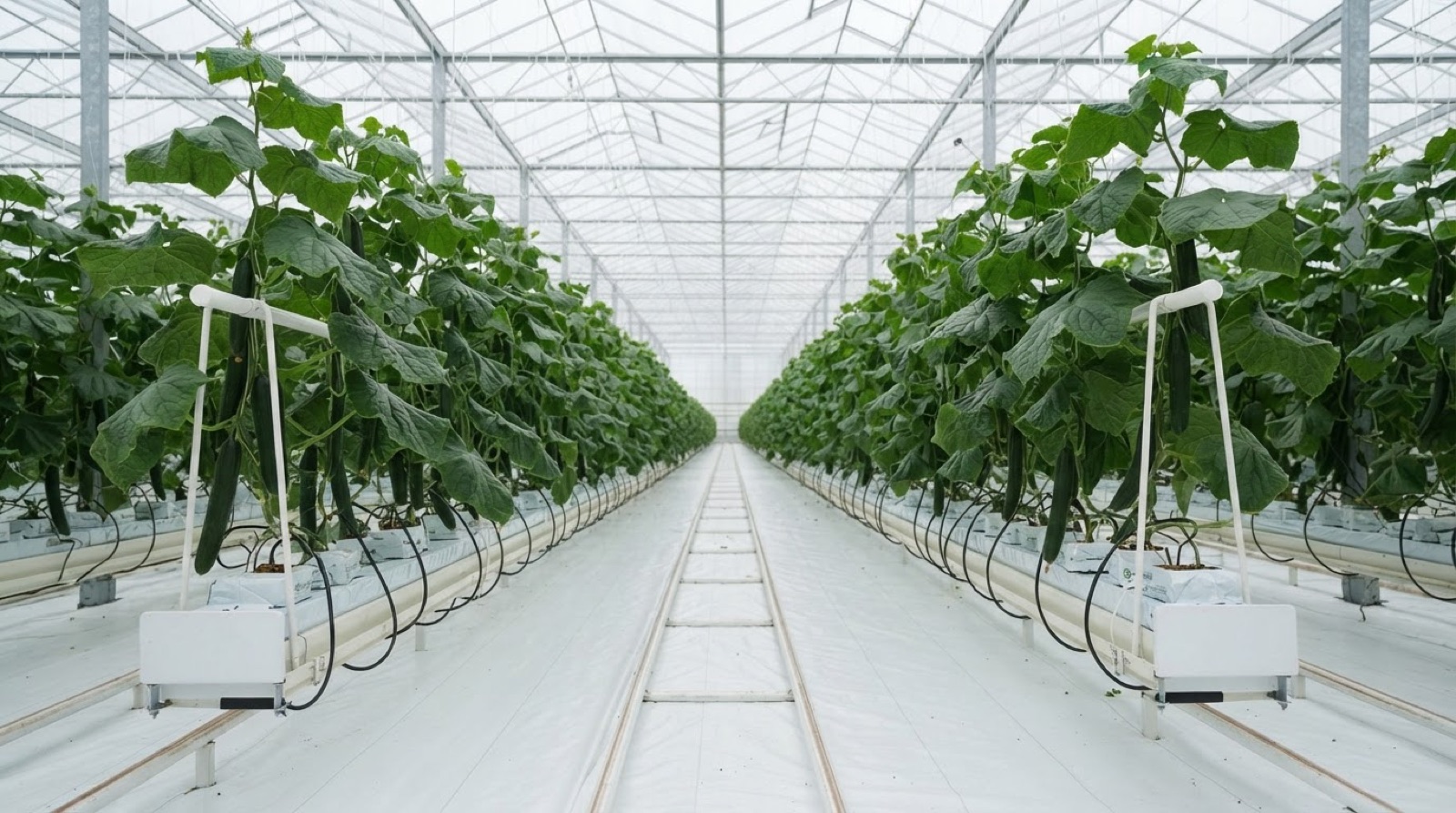
Midi Cucumbers
Midi cucumber is a separate pack format with its own cultivars, fruit count and picking labour.
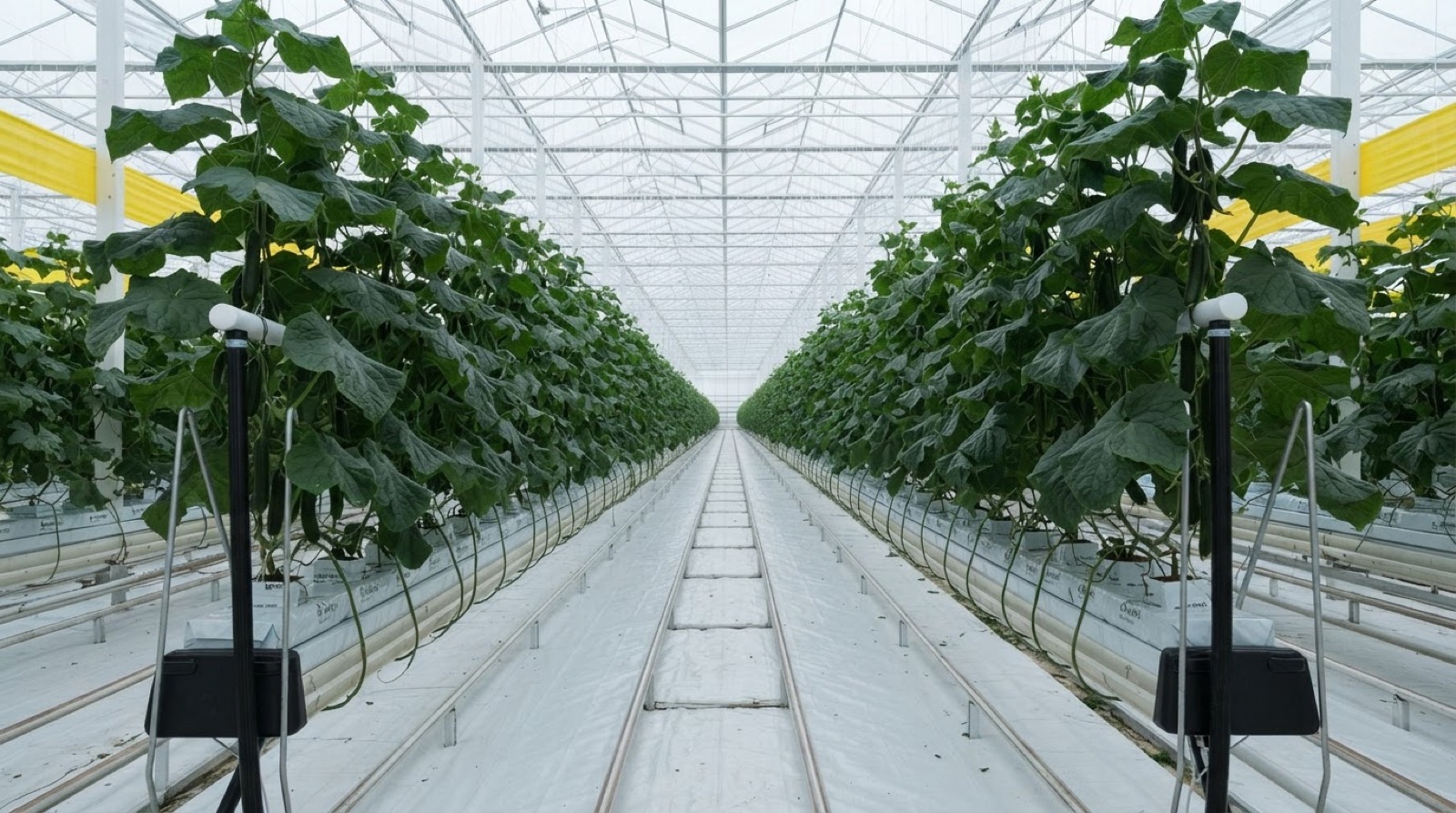
Snack Cucumbers
Snack cucumber runs a short cycle, which makes scheduling the design question.
El invernadero detrás de pepinos
Pepinos, bajo vidrio.
Cultivo en alambre alto sobre sustrato.
Coordine el riego, el control de la humedad y el acceso para la cosecha con un cultivo de crecimiento rápido.
Recolección frecuente. Calibre de fruto constante.
Cultivo en alambre alto sobre sustrato.
Construya el plan de ventas en torno al calibre, el número de frutos y la frecuencia de cosecha.
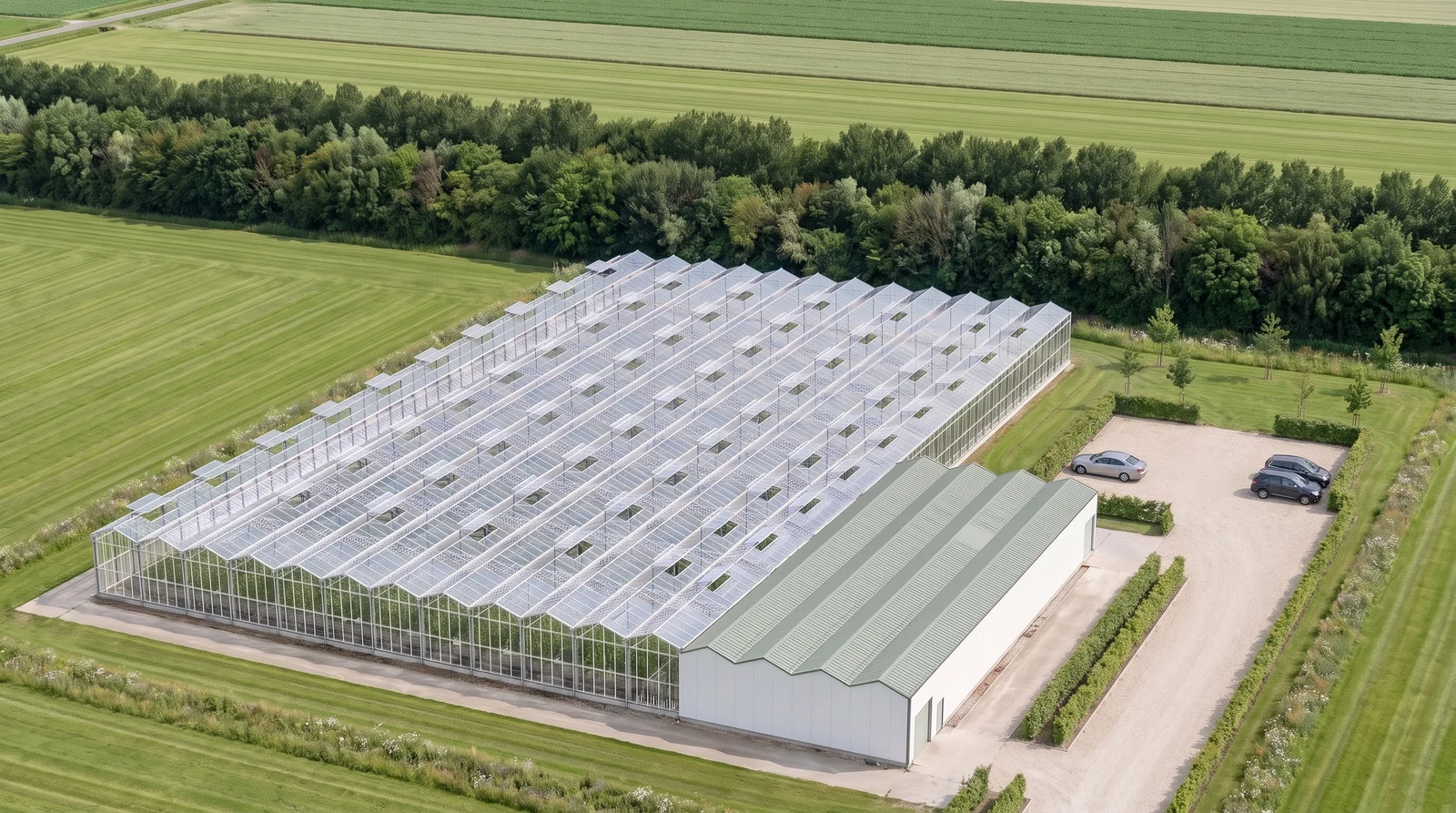
Expert Hydroponic Greenhouse Series
Una estructura definida para el cultivo hidropónico de producción. El cultivo determina el sistema de cultivo, la estrategia climática y la distribución de la cosecha.
½ acre1 acre2 acresExplorar Expert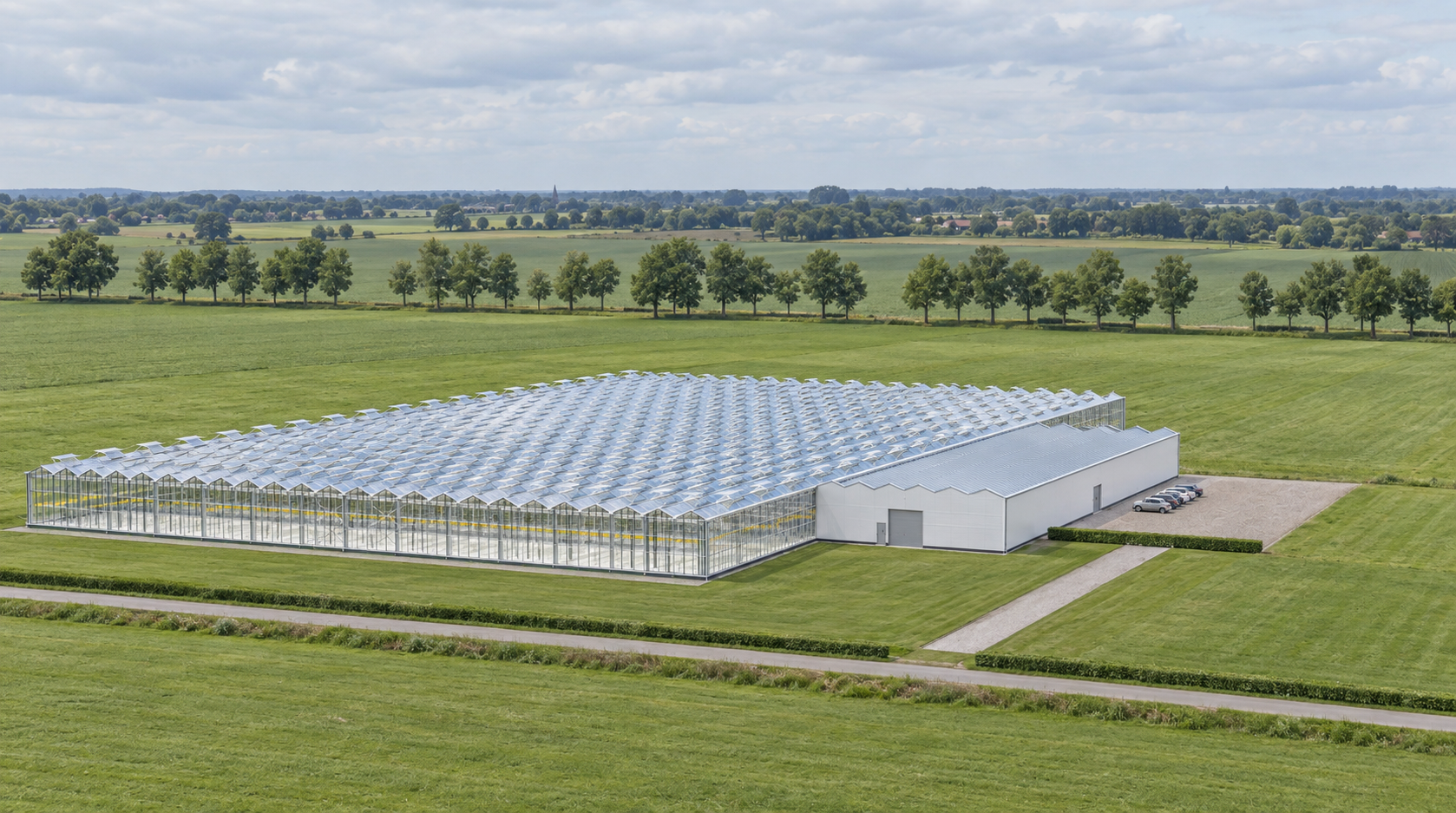
Plus Hydroponic Greenhouse Series
Nuestra gama estándar más grande. Ajuste la mayor superficie de cultivo a la demanda del cultivo, la mano de obra, los suministros y el mercado que pretende abastecer.
2 acres4 acres8 acresExplorar Plus4,032 m²43,400 sq ft de espacio de cultivo es donde suele empezar un plan de pepinos (GrowPro Expert 1 acre). Comparar los nueve modelos
Ponga su próxima cosecha
bajo vidrio.
Su cultivo, su emplazamiento y el volumen que quiere vender. Encontremos el invernadero y los sistemas que encajan.
¿Necesita un invernadero a medida?GrowPro Expert
También podemos planificar otro cultivo o un programa de cultivo mixto.
Hablemos de su proyecto Continúe a nuestro formulario de contacto. Sin compromiso.Lecturas que podrían interesarle

Grow Like a Pro: Starting Smart, Growing Strong
How Grow Like a Pro combines smart farming, CEA technology and local partnerships for eco-friendly, profitable, pesticide-free greenhouse pr
Leer artículo
Maryland Cannabis Greenhouse: Year One
One year on: how the Maryland cannabis greenhouse, paired with an adjacent indoor facility, cut the energy bill and lifted both yields and q
Leer artículo
The Case for a College Greenhouse
Why a college greenhouse belongs in the curriculum: teaching science, craftsmanship, business logic and sustainability, and preparing studen
Leer artículo
The Case for a High School Greenhouse
Why every high school greenhouse matters: how it makes STEM tangible, builds responsibility and teamwork, and helps students discover their
Leer artículo
Greenhouses in Education: The Case for Schools
Greenhouses in education reconnect students to reality — the full case for why every school, high school, college and trade program should h
Leer artículo
The Origins of Greenhouse Horticulture: My Backyard
A tour through greenhouse horticulture history: from 19th-century Westland fruit walls to the “City of Glass” and today’s international high
Leer artículo