
Eggplant
Greenhouse Eggplant.
Eine schwere Frucht auf einem groben Wurzelsystem, standardmäßig veredelt.
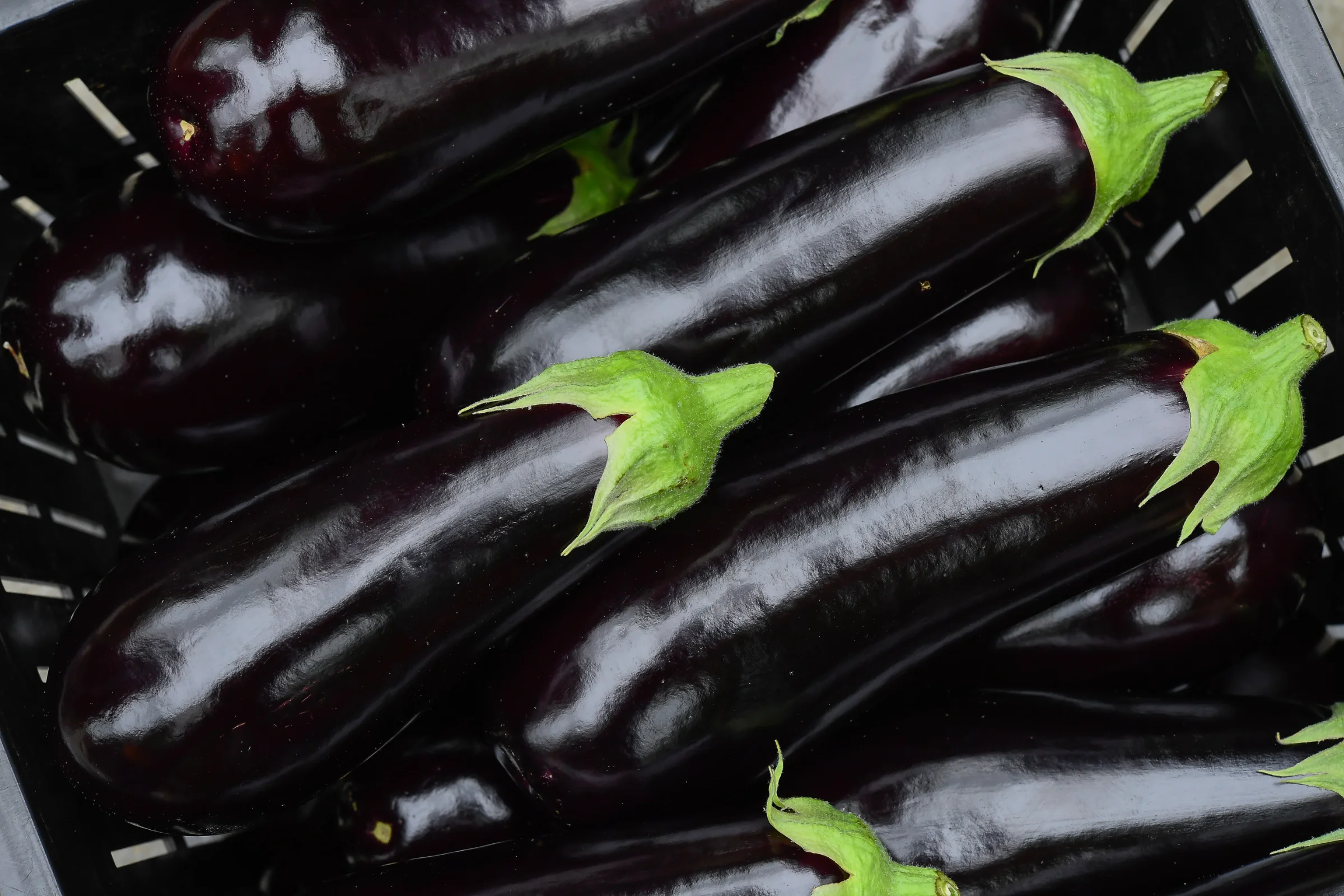
Die Schale entscheidet, und die Schale verträgt keinen Transport
Die Gewächshaus-Aubergine wird über ihre Schale verkauft. Eine dunkle, makellose, glänzende Oberfläche ist die Klasse, und die Nährwerte auf dem Teller sind nicht das, wonach ein Käufer auswählt. Alles am Transportweg arbeitet gegen die Schale: Sie bekommt Druckstellen an der Konstruktion, an Kisten und an anderen Früchten, und eine Stelle, die Tage nach dem Packen sichtbar wird, entstand in einem Moment, den niemand festgehalten hat.
Entfernung vervielfacht das Handling. Jeder zusätzliche Umschlag, jeder Tag Vibration und jede warme Stunde fügt eine weitere Gelegenheit hinzu, dass die Oberfläche stumpf oder das Fruchtfleisch darunter weich wird. Die Frucht ist nicht verdorben. Sie fällt lediglich eine Klasse tiefer, und der Verlust landet bei dem, der sie am Ende hält.
Der Anbau nahe am Markt beseitigt den größten Teil dieses Handlings, statt ihn zu verwalten. Weniger Umschläge, weniger Tage und eine Lieferung innerhalb derselben Woche halten die Frucht in dem Zustand, in dem sie die Pflanze verlassen hat. Eine Kultur mit langem Zyklus unter Glas liefert diesen Standard durchgehend, und genau das kauft ein Einkäufer, der Auberginen spezifiziert: dieselbe Frucht, im selben Zustand, in jeder Woche des Jahres.
Nährwerte
Aubergine, roh
Pro 100 g
- Energie
- 25 kcal
- Fett
- 0.18 g
- Kohlenhydrate
- 5.88 g
- davon Zucker
- 3.53 g
- Ballaststoffe
- 3 g
- Protein
- 0.98 g
- Natrium
- 2 mg
- Kalium
- 229 mg
- Vitamin C
- 2.2 mg
Die Gewächshaus-Aubergine ist ein Fruchtgemüse mit langem Kulturzyklus, angebaut für eine schwere Einzelfrucht mit glänzender Schale, bei der Oberflächenfehler über die Klasse entscheiden. Sie belegt weniger niederländische Gewächshausfläche als Tomate oder Paprika, was sie für Erzeuger attraktiv macht, die eine Kultur mit weniger gedrängtem Wettbewerb suchen, und sie passt in ein Haus, das bereits für die Hochdrahtkultur eingerichtet ist.
Was die Kultur braucht
Die Kultur wird auf Steinwolle mit Tropfbewässerung und Drainwasser-Rezirkulation angebaut. Ihr Wurzelsystem ist grob im Verhältnis zur Fruchtlast, die es trägt, sodass die Wasserverfügbarkeit einen größeren Teil der Qualitätssicherung übernimmt als bei der Tomate, und eine Unterbrechung während der Fruchtfüllung zeigt sich auf der Schale. Die Veredelung auf eine wüchsige Unterlage ist genau aus diesem Grund gängige Praxis.
Was das Gewächshaus leisten muss
Die Aubergine trägt eine schwere Frucht an einer Pflanze, die standardmäßig veredelt ist, und das Haus wird auf beides ausgelegt. Kulturdraht und Konstruktion nehmen über einen langen Zyklus eine echte Last auf, und die Veredelung gibt es, weil das Wurzelsystem allein sie nicht verlässlich trägt — was die Steuerung der Wurzelzone und die dahinterstehende Bewässerungskapazität zur zentralen und nicht zur unterstützenden Aufgabe macht.
Über die Klasse entscheidet die Schalenqualität, und die Schale nimmt leicht Spuren an. Die Frucht bekommt Druckstellen an der Konstruktion, an Drähten und beim Handling, deshalb werden Reihenanordnung, Wegbreite und Ernteweg für eine Frucht gezeichnet, die jeden Kontakt zeigt. Die Klimaarbeit richtet sich darauf, die Schwankungen zu vermeiden, die die Oberfläche stumpf werden lassen — eine Frage von Schirmung und Lüftung mehr als von Heizung.
DutchGreenhouses® legt Konstruktion, Klima, Schirmung und Bewässerung auf die Auberginenkultur, ihre Unterlage und das lokale Klima aus, sodass eine schwere Fruchtlast getragen wird, ohne Schalenqualität zu verlieren. Nehmen Sie Kontakt auf, um ein Auberginengewächshaus zu planen.
Gewächshaus-Aubergine, gefragt und beantwortet
Warum wird die Aubergine veredelt?
Wegen Wurzelwüchsigkeit und Widerstandsfähigkeit. Die Kultur trägt über einen langen Zyklus eine schwere Fruchtlast, und die Unterlage ist das, was sie verlässlich stützt.
Was entscheidet über die Klasse der Aubergine?
Die Schale. Die Frucht nimmt an Konstruktion, Drähten und beim Handling leicht Spuren an, deshalb zählen Reihenanordnung, Wegbreite und Ernteweg ebenso viel wie das Klima.
Verändert Belichtung die Planung?
Sie verändert Heizlast, Stromanschluss und Schirmungsstrategie zugleich, deshalb gehört sie in die Aufgabenstellung und nicht in eine spätere Nachrüstung.
Das Gewächshaus hinter auberginen
Auberginen, unter Glas.
Gestützte Substratkultur oder Bodenkultur.
Pflanzenlast, Bestandsraum und Wurzelraumbedarf über einen langen Produktionszyklus einplanen.
Gleichmäßige Früchte. Eine lange Pflücksaison.
Gestützte Substratkultur oder Bodenkultur.
Fruchtgröße, Klasse und Pflückhäufigkeit mit der Nachfrage verbinden.
Expert Hydroponic Greenhouse Series
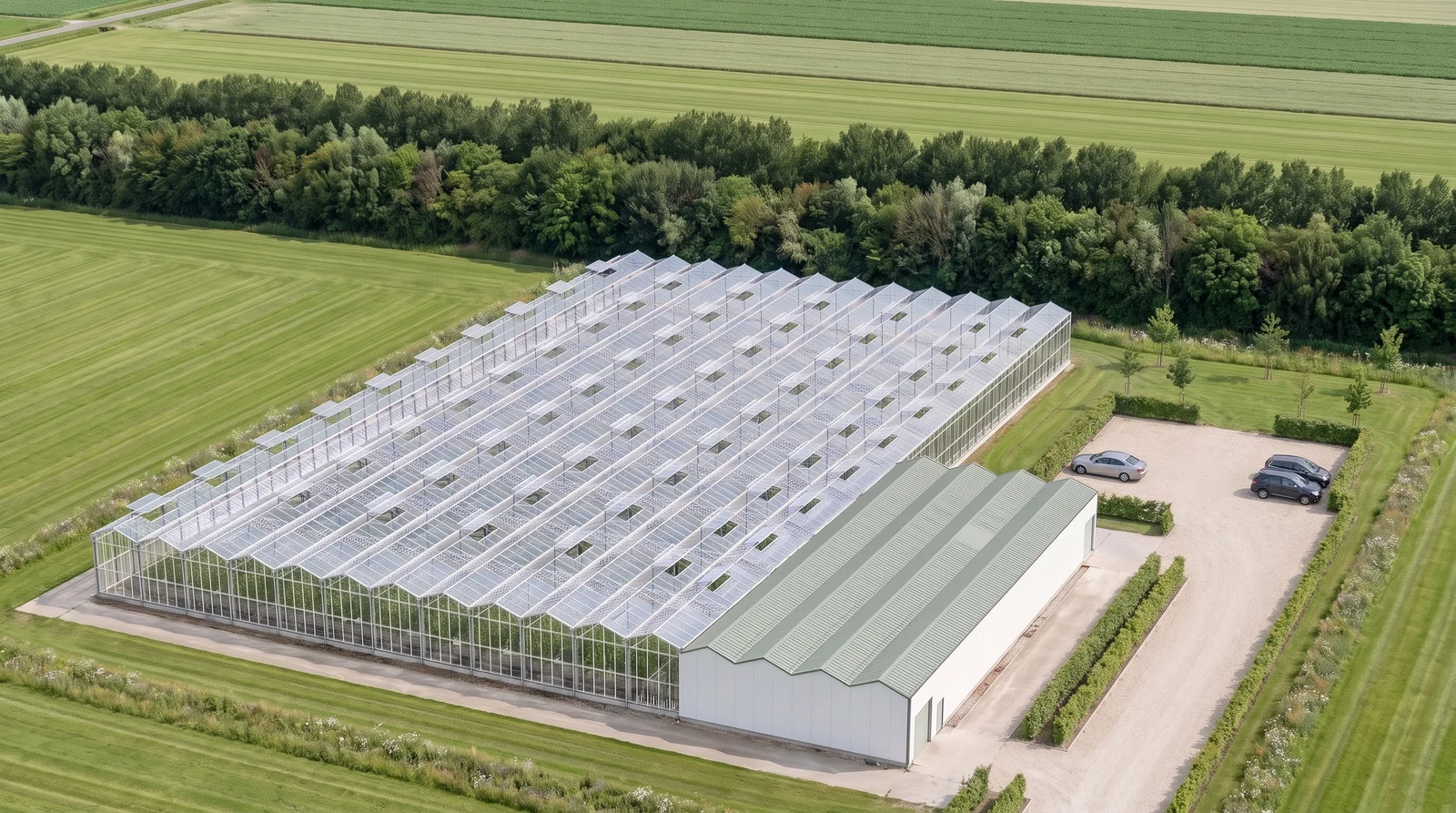
Eine definierte Konstruktion für die kommerzielle Hydroponik. Die Kultur bestimmt Kultursystem, Klimastrategie und Ernteanordnung.
½ acre1 acre2 acresEntdecken Expert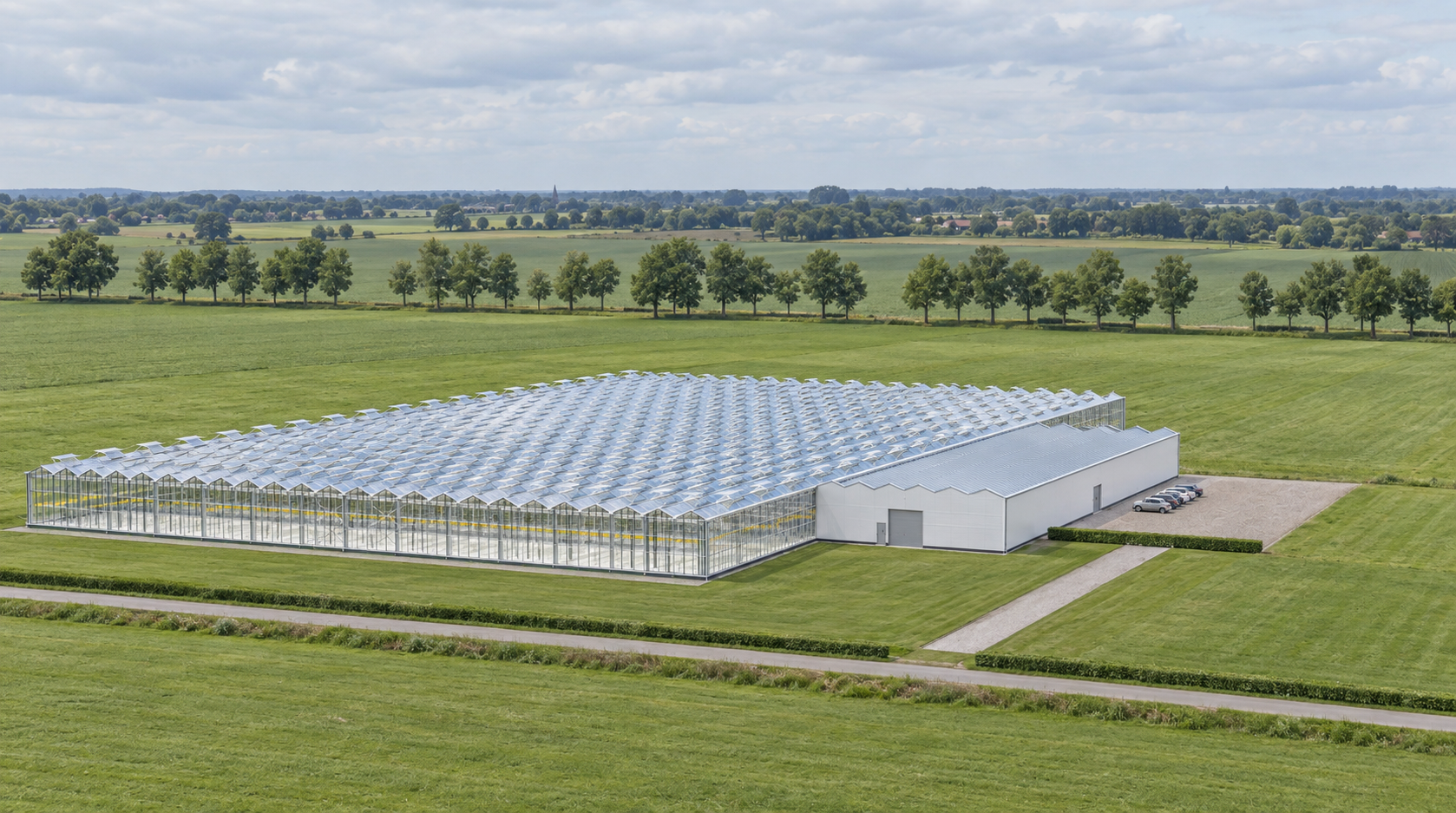
Plus Hydroponic Greenhouse Series
Unsere größte Standardserie. Die größere Kulturfläche auf Kulturbedarf, Arbeitskräfte, Versorgung und den Markt abstimmen, den Sie beliefern wollen.
2 acres4 acres8 acresEntdecken Plus4,032 m²43,400 sq ft Kulturfläche sind der übliche Ausgangspunkt für einen Produktionsplan mit auberginen (GrowPro Expert 1 acre). Alle neun Modelle vergleichen
Bringen Sie Ihre nächste Ernte
unter Glas.
Ihre Kultur, Ihr Standort und die Menge, die Sie verkaufen wollen. Finden wir das passende Gewächshaus und die passenden Systeme.
Ein individuelles Gewächshaus gesucht?GrowPro Expert
Wir können auch für eine andere Kultur oder ein gemischtes Anbauprogramm planen.
Über Ihr Projekt sprechen Weiter zum Kontaktformular. Unverbindlich.Lesenswertes, das Sie interessieren könnte

Grow Like a Pro: Starting Smart, Growing Strong
How Grow Like a Pro combines smart farming, CEA technology and local partnerships for eco-friendly, profitable, pesticide-free greenhouse pr
Artikel lesen
Maryland Cannabis Greenhouse: Year One
One year on: how the Maryland cannabis greenhouse, paired with an adjacent indoor facility, cut the energy bill and lifted both yields and q
Artikel lesen
The Case for a College Greenhouse
Why a college greenhouse belongs in the curriculum: teaching science, craftsmanship, business logic and sustainability, and preparing studen
Artikel lesen
The Case for a High School Greenhouse
Why every high school greenhouse matters: how it makes STEM tangible, builds responsibility and teamwork, and helps students discover their
Artikel lesen
Greenhouses in Education: The Case for Schools
Greenhouses in education reconnect students to reality — the full case for why every school, high school, college and trade program should h
Artikel lesen
The Origins of Greenhouse Horticulture: My Backyard
A tour through greenhouse horticulture history: from 19th-century Westland fruit walls to the “City of Glass” and today’s international high
Artikel lesen