
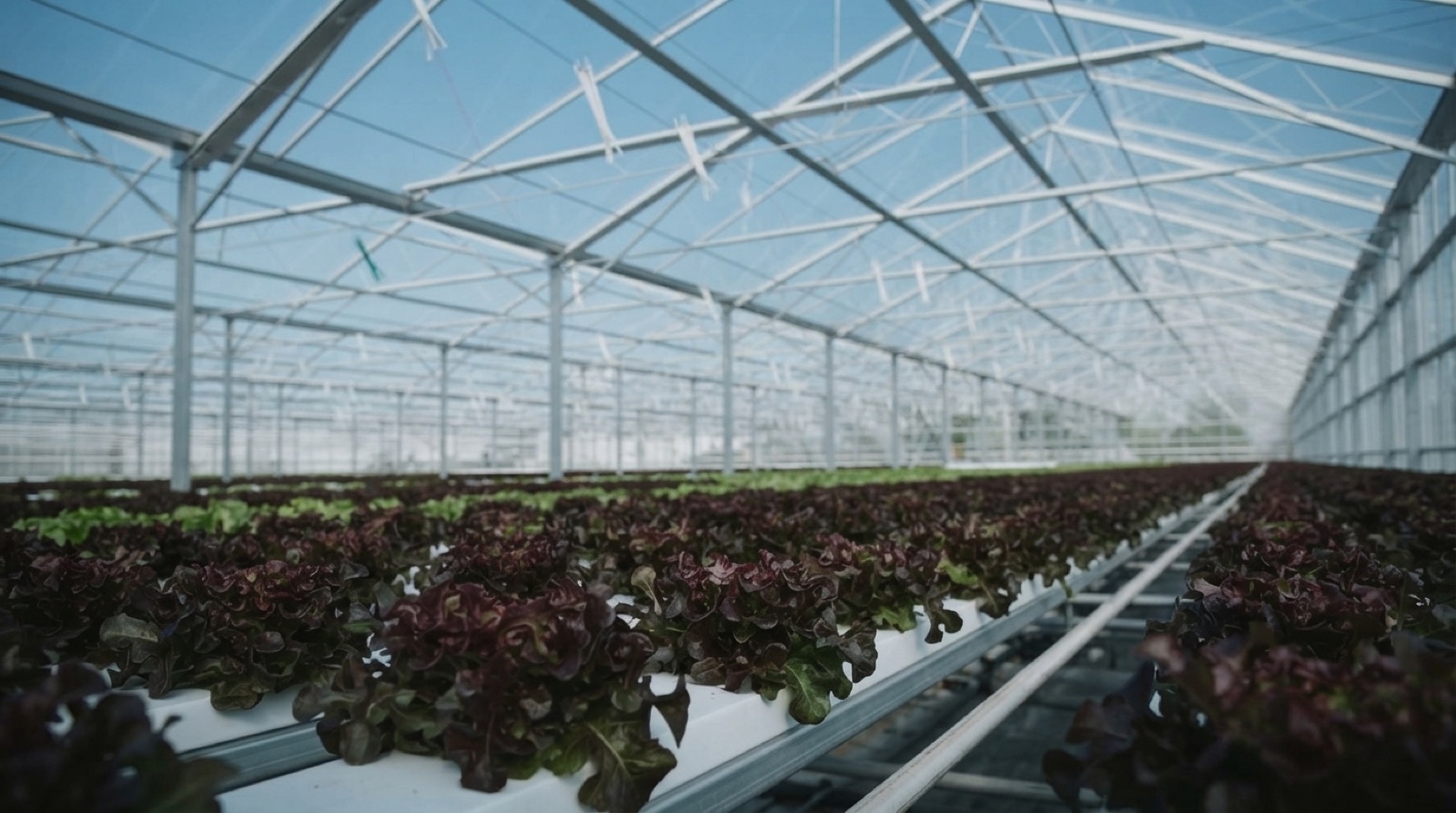
Lettuce
Red Oakleaf Lettuce.
Lobed leaf and red pigment, usually sold as part of a set.
A pack ages with its weakest leaf
Red oakleaf is the red leaf of the family in a lobed, open head, eaten raw like the rest and bought for what it adds to a set. Its pigment and its shape are both part of what the pack is paying for, and both are read by eye before anything is tasted.
A mixed pack is only as fresh as its poorest component. The red types dull first and the lobed leaf tires first, so a set assembled at the end of a long chain is usually let down by exactly this leaf. Nothing else in the pack makes up for what one part of it has already lost.
That is an argument for growing the components close to where they are packed. A short run from the house to the pack line keeps the set matched at the moment it is closed, and leaves the shelf days to the buyer rather than spending them behind the scenes.
Nutrition facts
Lettuce, red leaf, raw
Per 100 g
- Energy
- 13 kcal
- Fat
- 0.22 g
- Carbohydrate
- 2.26 g
- Sugars
- 0.48 g
- Fiber
- 0.9 g
- Protein
- 1.33 g
- Sodium
- 25 mg
- Potassium
- 187 mg
- Vitamin C
- 3.7 mg
Red oakleaf combines the lobed leaf shape of the oakleaf types with red pigmentation. It most often reaches the consumer as one component of a multi-type pack rather than as a wholehead on its own, which changes what the grower is optimising for.
What the crop needs
The crop is short-cycle and hydroponic, with the open head structure of the oakleaf types and the light-driven colour development of the red types. Because it is frequently sold in a set, head size consistency with the other components matters as much as the absolute size.
What the greenhouse has to do
Red oakleaf is usually sold as part of a set rather than on its own, and that changes what the house is being asked for. A trio or a mixed pack needs its components ready together, so planting schedule and compartment planning are built around the pack date, not around each type’s own fastest cycle.
Colour and shape are both the product, and both are fragile. Pigment follows light, so the light plan and the screening strategy are specified for colour as well as growth; the lobed leaf damages easily, so the harvest route is kept short. Even transmission across the floor is what keeps a batch matching itself inside the pack.
DutchGreenhouses® designs the structure, climate, screening and irrigation around the lettuce type, its system and the local climate, so cycles turn at the head quality the market grades on. Get in touch to plan a lettuce greenhouse.
Red oakleaf lettuce, asked and answered
Is head weight or head count the right target?
Lettuce is sold by the head, so the count reaching grade in a year decides revenue. A heavier head grown more slowly can earn less than a lighter head on a shorter cycle.
Does the cultivar matter more than the type?
For head mass, density tolerance and tipburn risk, yes. Those are cultivar properties, which is why a lettuce project is planned around a named cultivar rather than around the type alone.
What causes tipburn?
Calcium not reaching the fastest-growing leaf margins, driven by transpiration and root pressure rather than by supply. Climate control addresses it; adding calcium to the solution generally does not.
Other lettuce
varieties.
Repeat harvests. Consistent head quality and size. The class you sell decides the plant load, the harvest rhythm and the house.
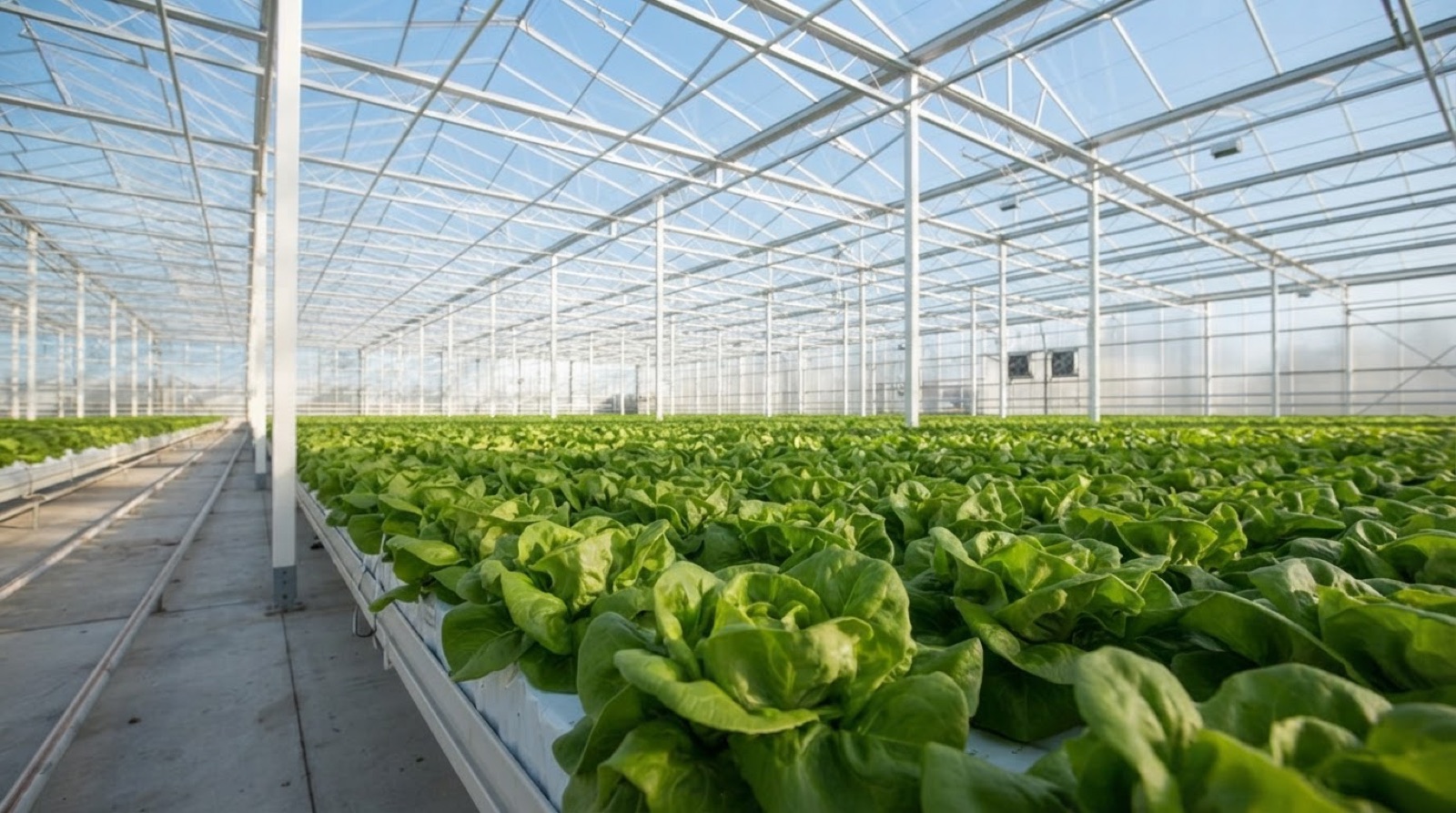
Butterhead Lettuce
Butterhead is the soft-leaved wholehead lettuce sold with its outer leaves intact, and the type most European buyers picture when they specify lettuce.
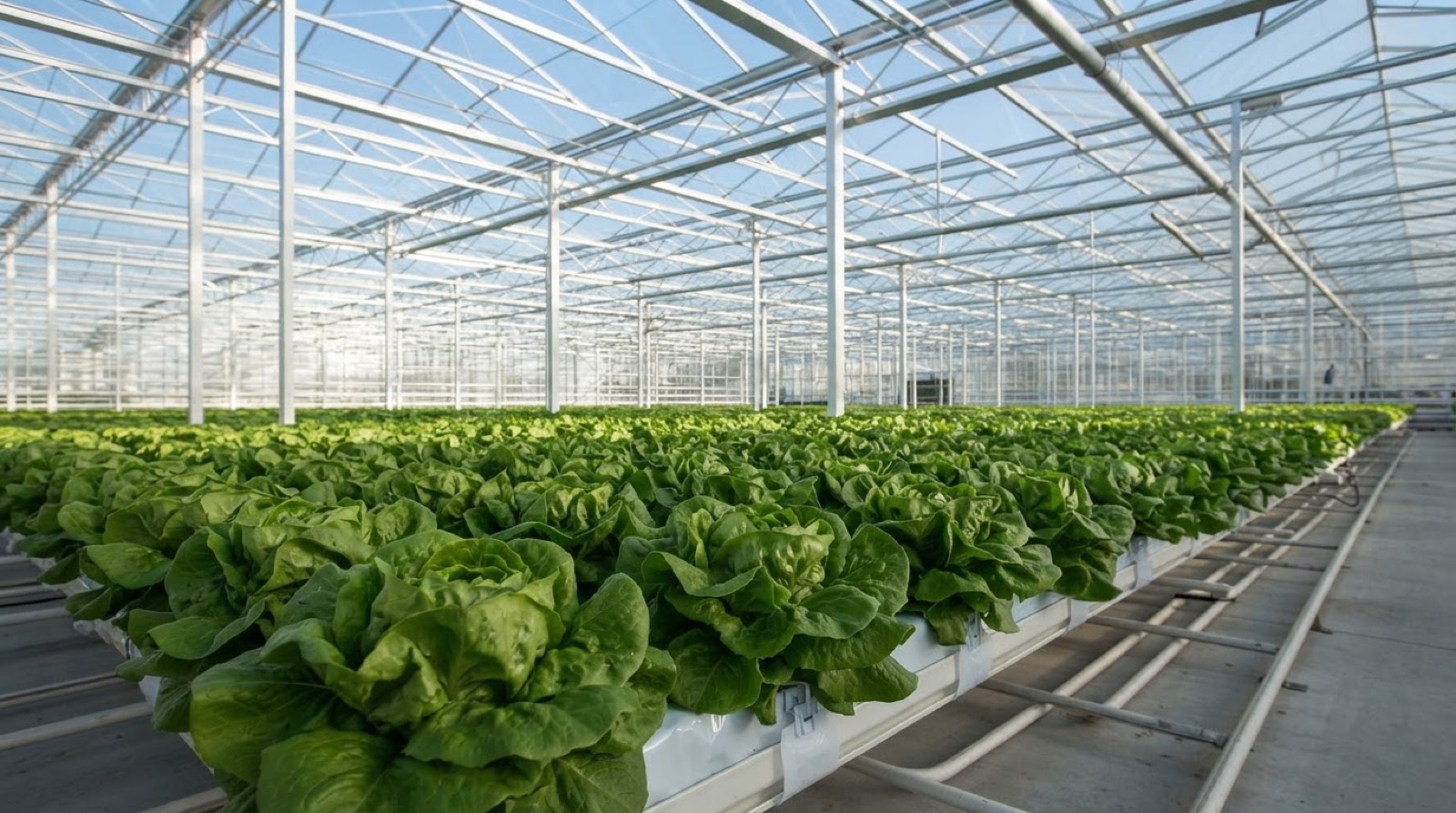
Green Crispy Lettuce
Green crispy is the dense, crunchy-leaved lettuce sold both as a wholehead and into processing, where the leaf holds its texture after cutting.
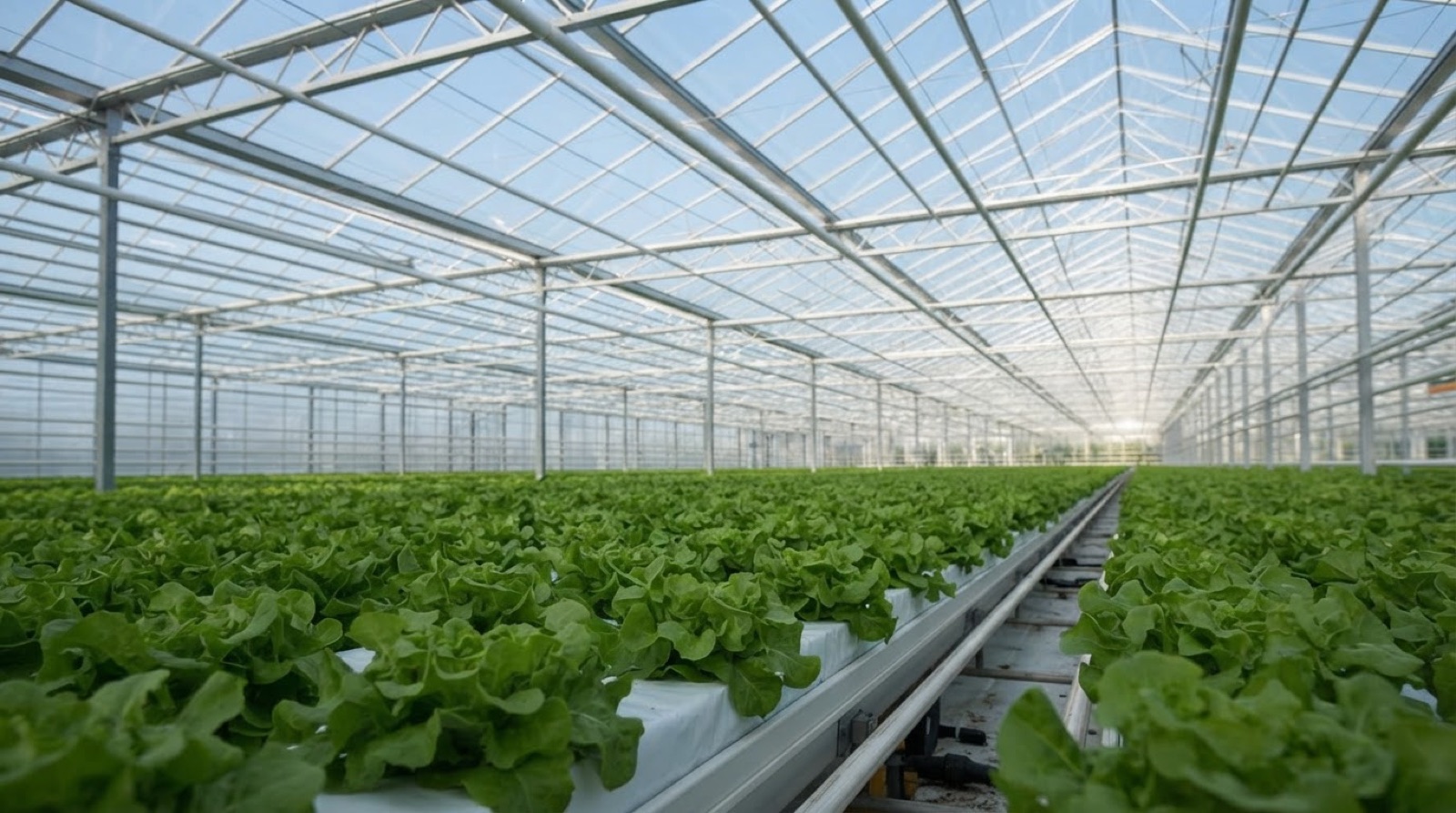
Green Oakleaf Lettuce
Green oakleaf lettuce is a lobed, soft-leaved head grown for leaf shape rather than for weight.
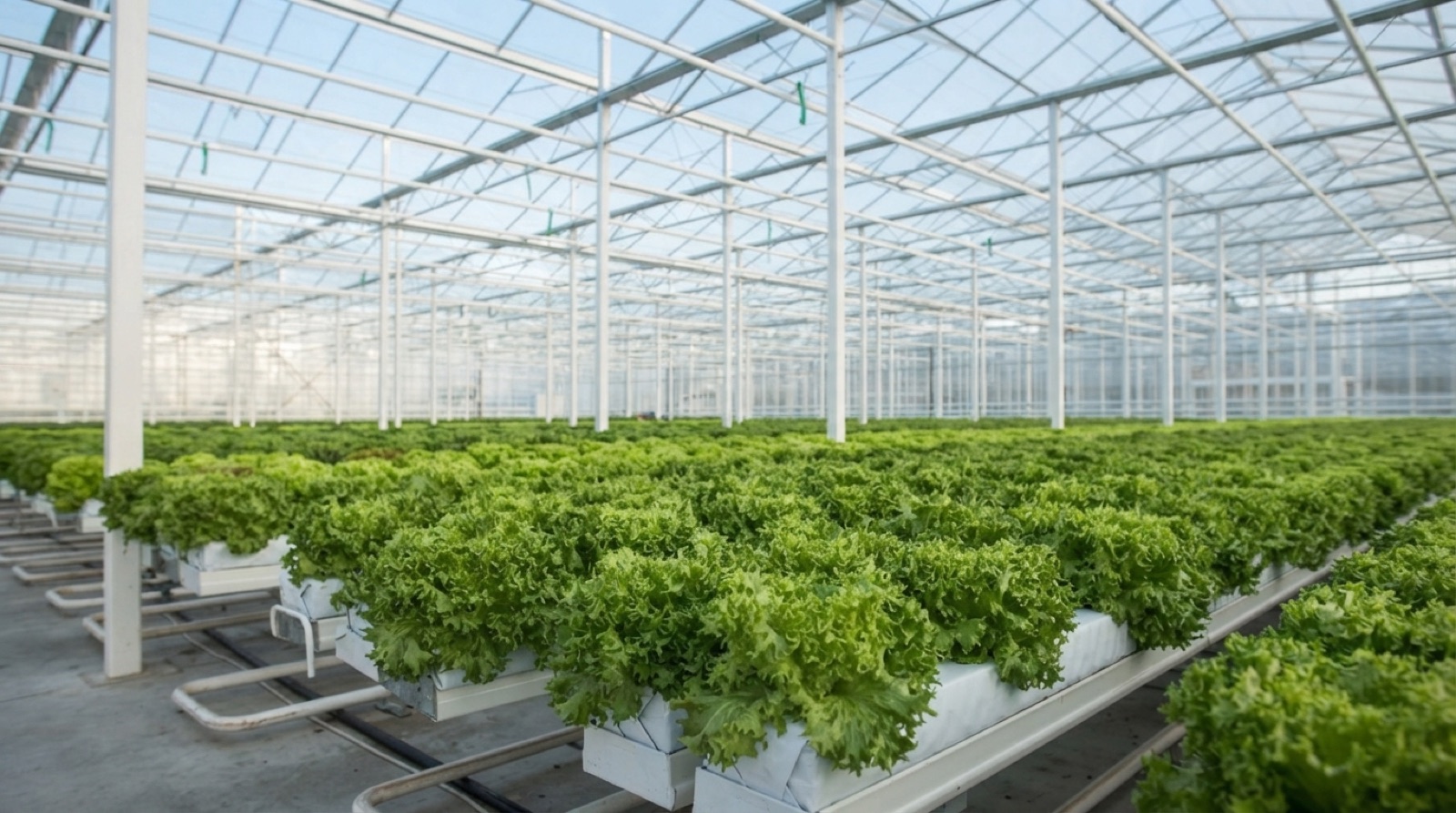
Lollo Bionda Lettuce
Lollo Bionda is the green Lolla lettuce, with a tightly curled leaf margin and bought for appearance rather than for weight.
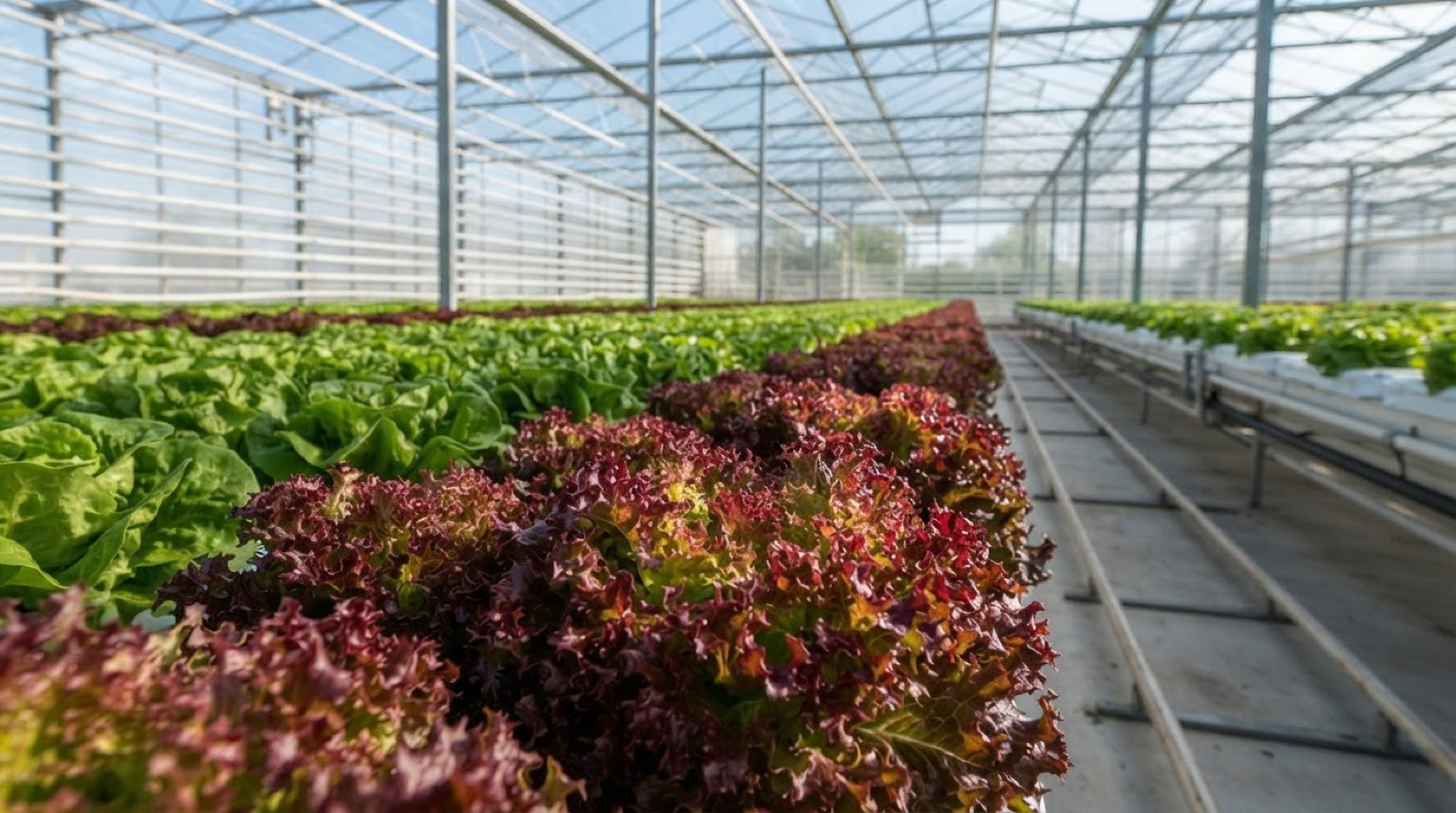
Lollo Rosso Lettuce
Lollo Rosso is the red Lolla lettuce, where the tightly curled leaf margin and the red pigmentation are both the product.
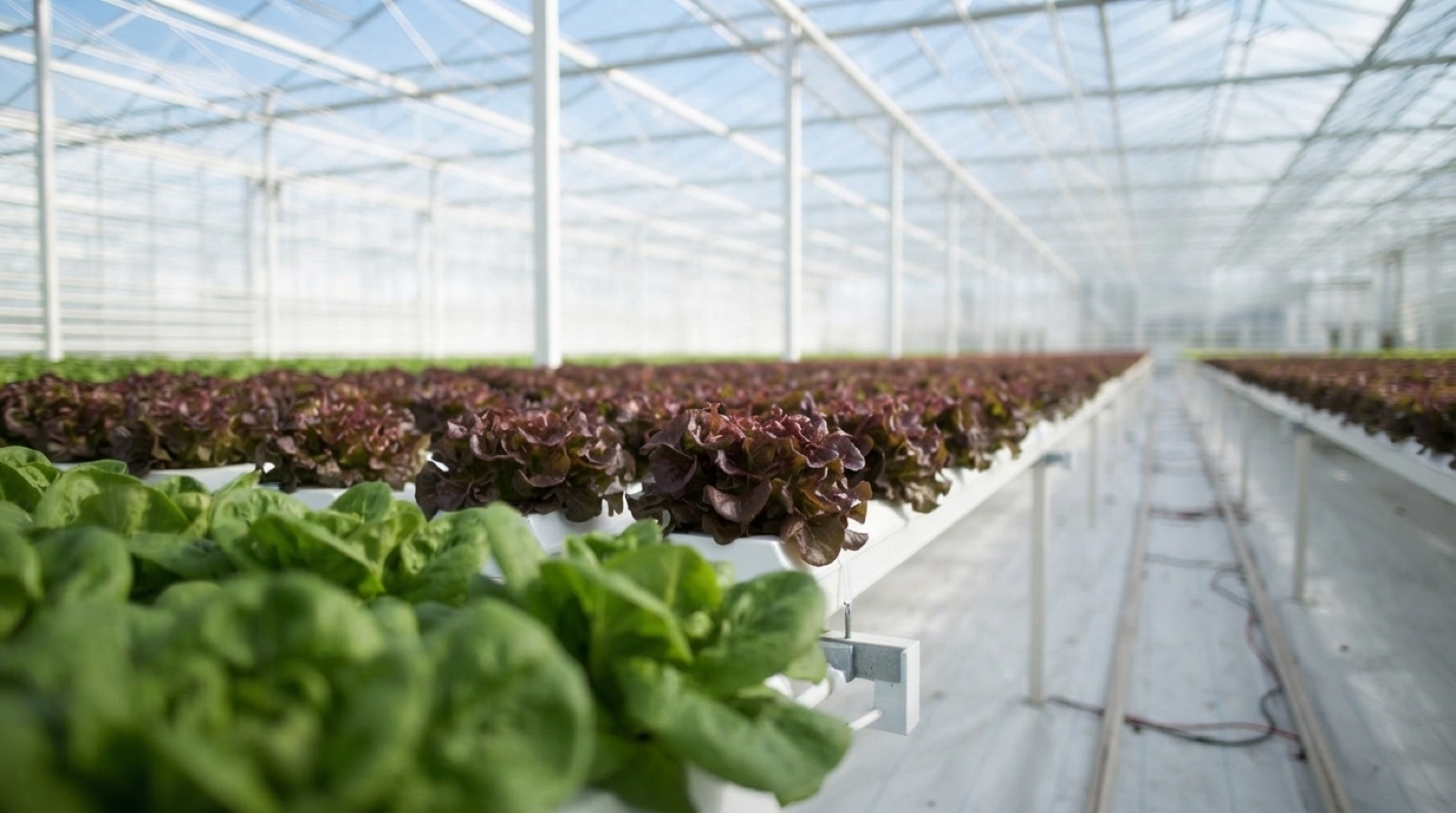
Red Crispy Lettuce
Red crispy is the red-pigmented counterpart of the green crispy head, sold wholehead and into mixed-leaf packs where colour intensity is part of the specification.
The greenhouse behind lettuce
Lettuce, under glass.
Table systems with floaters, Moving Gutter Systems (MGS) or Deep Water using NFT or ebb and.
Work back from head size, crop cycle and harvest handling to the growing system, spacing and climate.
Repeat harvests. Consistent head quality and size.
Table systems with floaters, Moving Gutter Systems (MGS) or Deep Water using NFT or ebb and.
Plan heads sold per cycle, grades, packing and repeat orders.
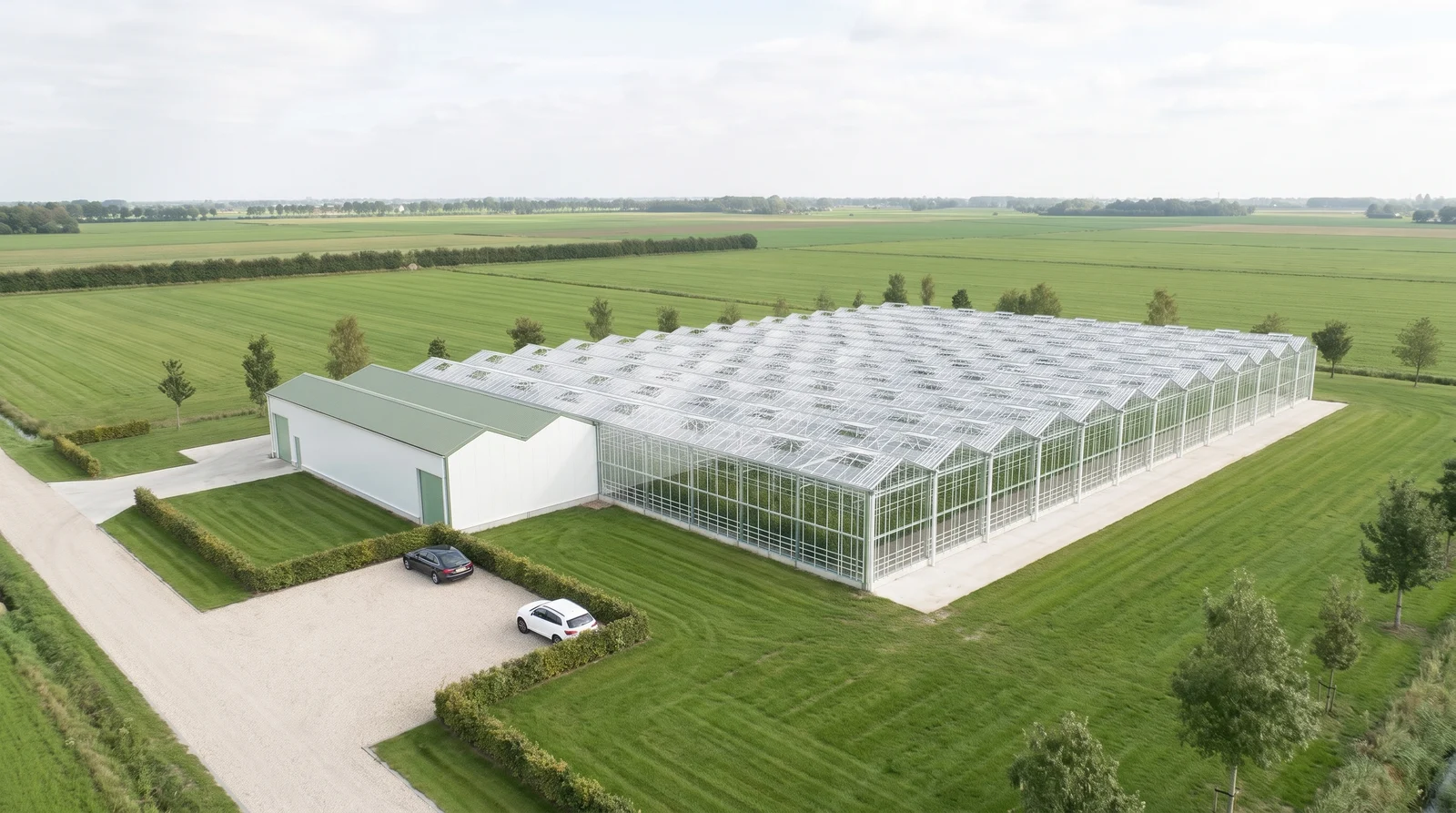
Basic Organic Greenhouse Series
Venlo glasshouses for soil-based crops. Set the crop, beds, access and production calendar before specifying the systems.
¼ acre½ acre1 acreExplore Basic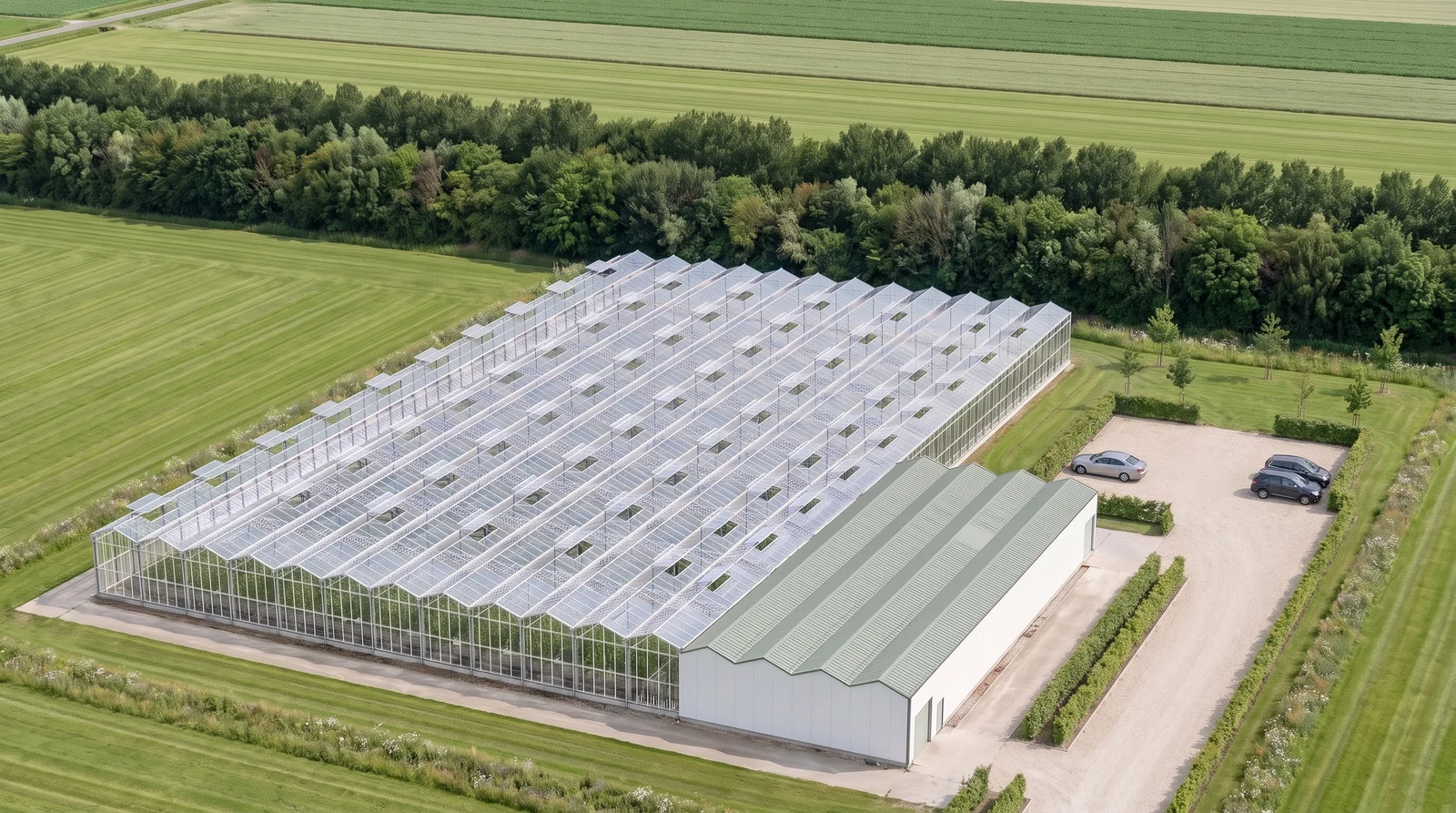
Expert Hydroponic Greenhouse Series
A defined structure for commercial hydroponics. The crop determines the growing system, climate strategy and harvest layout.
½ acre1 acre2 acresExplore Expert3,840 m²41,333 sq ft of growing space is where a lettuce plan usually starts (GrowPro Basic 1 acre). Compare all nine models
Put your next harvest
under glass.
Your crop, your site and the volume you want to sell. Let's find the greenhouse and systems to match.
Need a custom greenhouse?GrowPro Basic
We can also plan for another crop or a mixed growing programme.
Talk about your project Continue to our contact form. No commitment.Reads you might find interesting

Grow Like a Pro: Starting Smart, Growing Strong
How Grow Like a Pro combines smart farming, CEA technology and local partnerships for eco-friendly, profitable, pesticide-free greenhouse pr
Read article
Maryland Cannabis Greenhouse: Year One
One year on: how the Maryland cannabis greenhouse, paired with an adjacent indoor facility, cut the energy bill and lifted both yields and q
Read article
The Case for a College Greenhouse
Why a college greenhouse belongs in the curriculum: teaching science, craftsmanship, business logic and sustainability, and preparing studen
Read article
The Case for a High School Greenhouse
Why every high school greenhouse matters: how it makes STEM tangible, builds responsibility and teamwork, and helps students discover their
Read article
Greenhouses in Education: The Case for Schools
Greenhouses in education reconnect students to reality — the full case for why every school, high school, college and trade program should h
Read article
The Origins of Greenhouse Horticulture: My Backyard
A tour through greenhouse horticulture history: from 19th-century Westland fruit walls to the “City of Glass” and today’s international high
Read article